
Room Interior Design 7 Expert Tips for a Beautiful Home
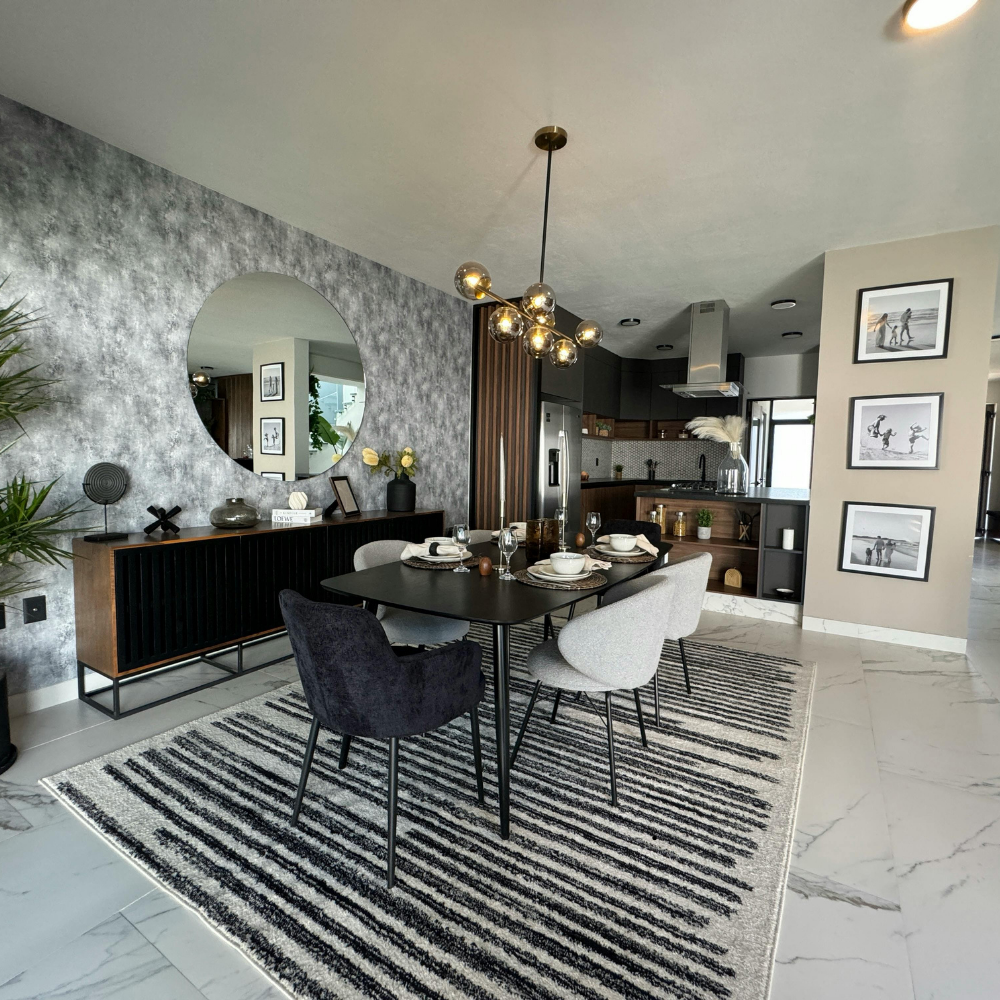
Room interior design plays an essential role in shaping modern homes. Today, a house is more than just a place to live — it is a space for relaxation, productivity, and personal expression. Thoughtful interior design helps transform ordinary rooms into functional and visually appealing environments that suit daily lifestyles.
The way a room is designed directly affects comfort and mood. Proper lighting, balanced colors, smart furniture placement, and organized layouts can make a space feel calm, energetic, cozy, or spacious. A well-designed room reduces stress, improves focus, and enhances overall well-being.
In this article, we will explore the key elements of room interior design, popular styles, practical design steps, and common mistakes to avoid.
What Is Room Interior Design?
Room interior design is the art and process of planning and organizing a room’s layout, furniture, colors, lighting, and materials to create a functional and visually appealing space. It focuses on how a room looks, feels, and works for the people who use it. Good interior design balances practicality with style, ensuring that every element serves a purpose while enhancing the overall atmosphere.
Many people confuse interior design with decoration, but they are not the same. Decoration mainly involves adding visual elements like curtains, artwork, cushions, and accessories. Interior design goes deeper—it considers space planning, movement flow, lighting placement, and how furniture fits within the room.
At its core, room interior design combines function and aesthetics. A well-designed room should not only look beautiful but also support comfort, efficiency, and everyday living needs.
Key Elements of Room Interior Design
A successful room interior design depends on a few essential elements working together harmoniously.
Space and Layout form the foundation of any room. Proper space planning ensures smooth movement and avoids overcrowding. A balanced layout considers room size, door and window placement, and how people will use the area daily.
Color Selection greatly influences the mood of a room. Light colors can make small spaces feel larger and more open, while darker shades create warmth and depth. Choosing a cohesive color scheme helps maintain visual harmony.
Lighting enhances both functionality and ambiance. A well-designed room combines natural light with layered lighting, including ambient (general), task (focused), and accent lighting to create comfort and flexibility.
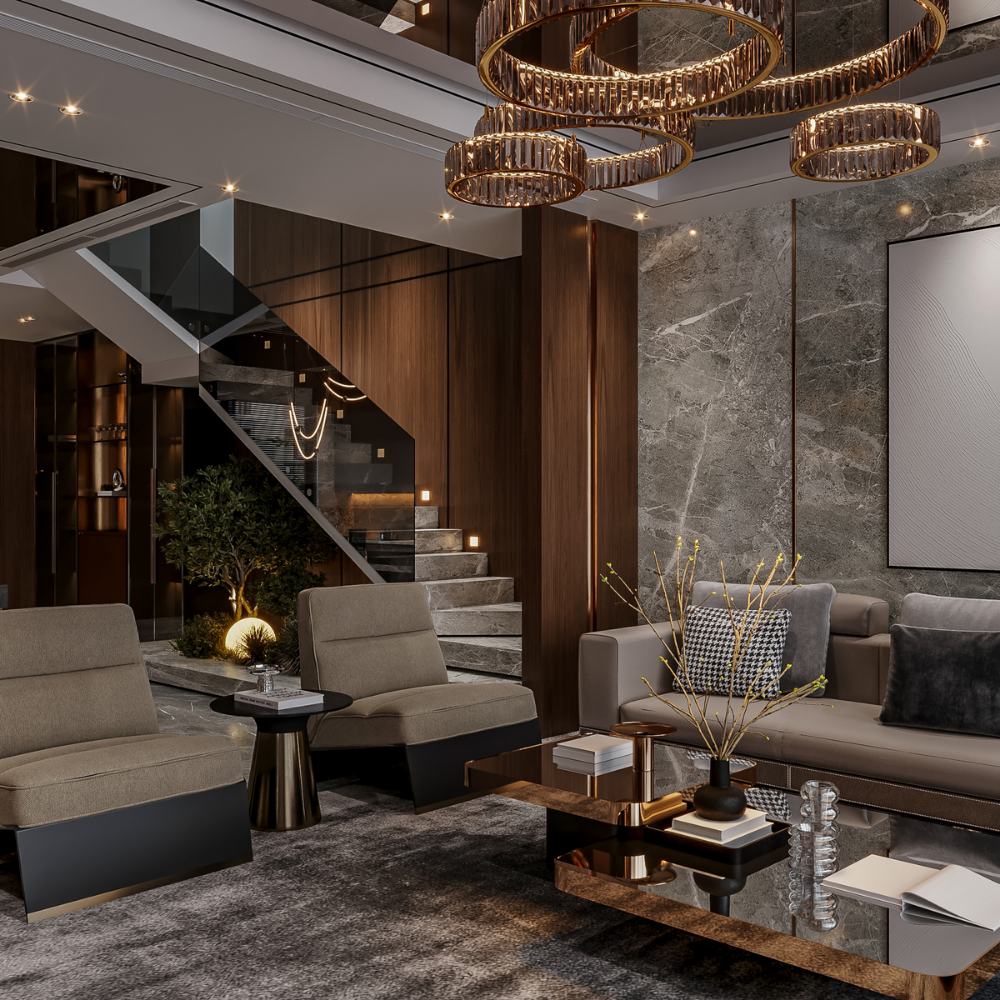
Furniture Placement should prioritize both practicality and proportion. Furniture must fit the room’s scale and allow enough walking space. Arranging pieces thoughtfully improves comfort and visual balance.
Texture and Materials add depth and character. Mixing materials such as wood, metal, fabric, and glass creates contrast and interest without overwhelming the space.
When these elements are carefully planned, a room becomes both functional and aesthetically pleasing.
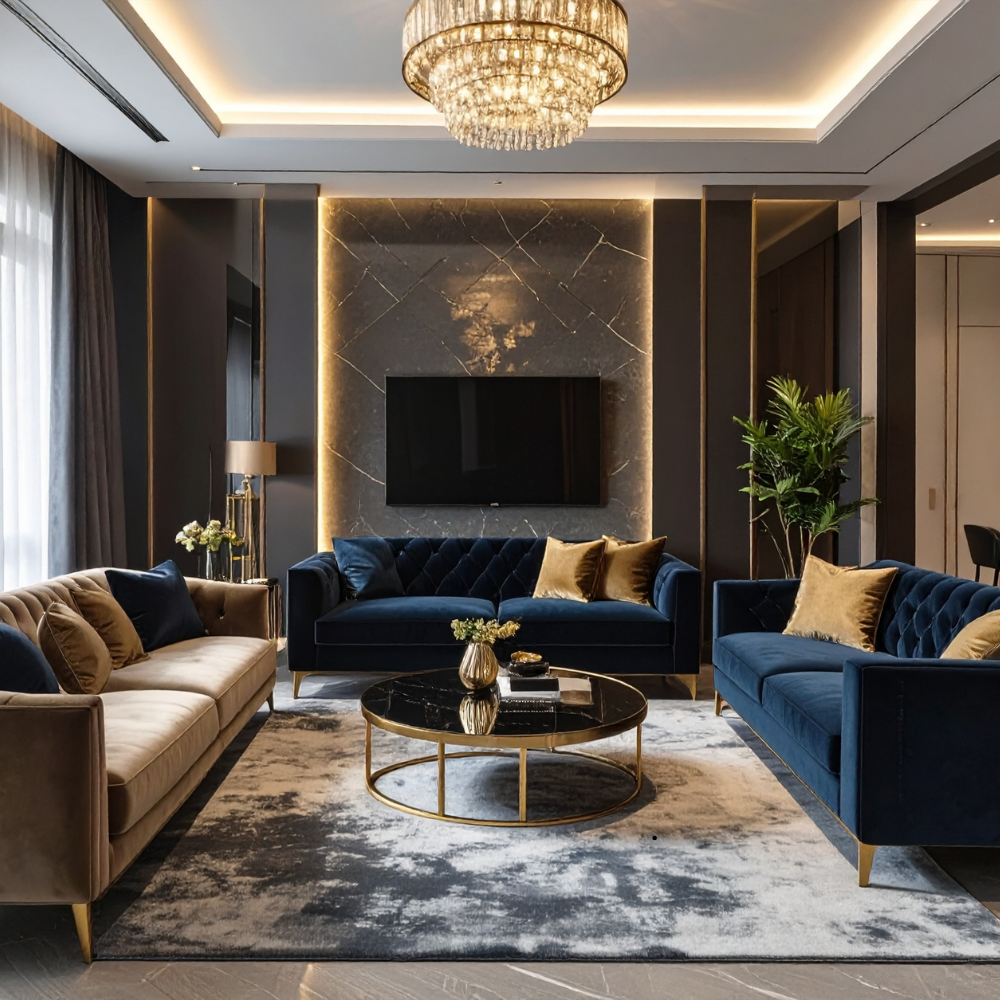
Popular Room Interior Design Styles
Modern
Modern interior design focuses on clean lines, simple forms, and a neutral color palette. It often features sleek furniture, open spaces, and minimal decorative details. The style emphasizes functionality with a polished, uncluttered look.
Minimalist
Minimalist design follows the principle of “less is more.” It uses limited colors, simple furniture, and minimal accessories to create a calm and organized space. Every element has a clear purpose, reducing visual clutter.
Scandinavian
Scandinavian style combines simplicity with warmth. It features light colors, natural materials like wood, and cozy textiles. This design approach prioritizes comfort, natural light, and practical functionality.
Traditional
Traditional interior design reflects classic elegance and timeless details. It often includes rich wood furniture, layered fabrics, decorative moldings, and balanced layouts. The overall feel is formal, warm, and refined.
Contemporary
Contemporary design represents current trends and evolving styles. It blends clean lines with soft curves, neutral tones with bold accents, and modern materials. This style remains flexible and adapts to changing design influences.
How to Design a Room Step by Step
Designing a room becomes easy when you follow a clear process and make decisions in the right order.
1) Define the room’s purpose
Start by deciding how the room will be used—relaxing, working, sleeping, or entertaining. This helps you choose the right layout, furniture, and lighting.
2) Set a budget
Fix a realistic budget before shopping. Split it into categories like furniture, paint, lighting, and decor so you don’t overspend on one item.
3) Choose a color scheme
Pick 2–3 main colors that match your style and room size. Light tones make rooms feel bigger, while deeper shades add warmth. Keep walls, furniture, and accents coordinated.
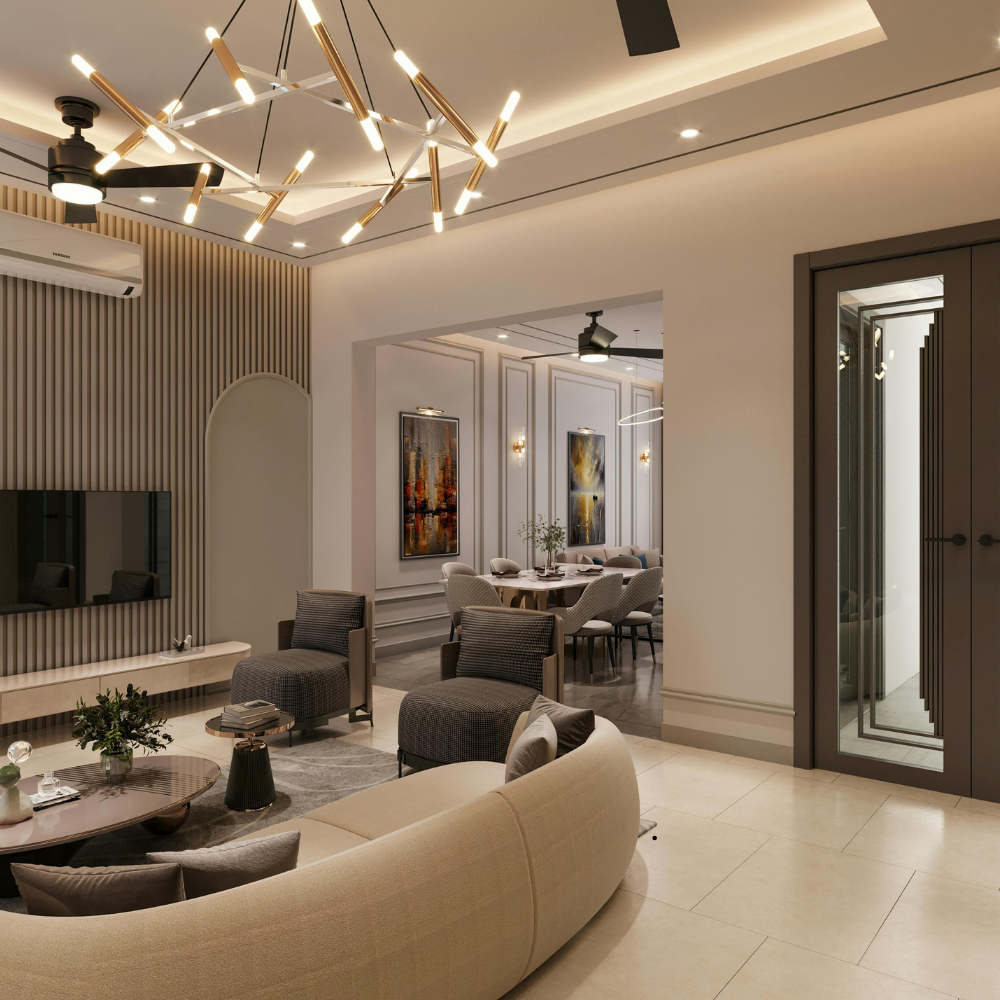
4) Select furniture
Choose furniture based on room size and daily needs. Focus on key pieces first (sofa, bed, table), then add smaller items. Always measure to avoid overcrowding.
5) Add lighting
Use layered lighting: ceiling light for overall brightness, a lamp for tasks, and a warm accent light for mood. Also make the most of natural light.
6) Finish with decor
Add rugs, curtains, cushions, wall art, and plants to complete the look. Keep it balanced—too many accessories can make the room feel messy.
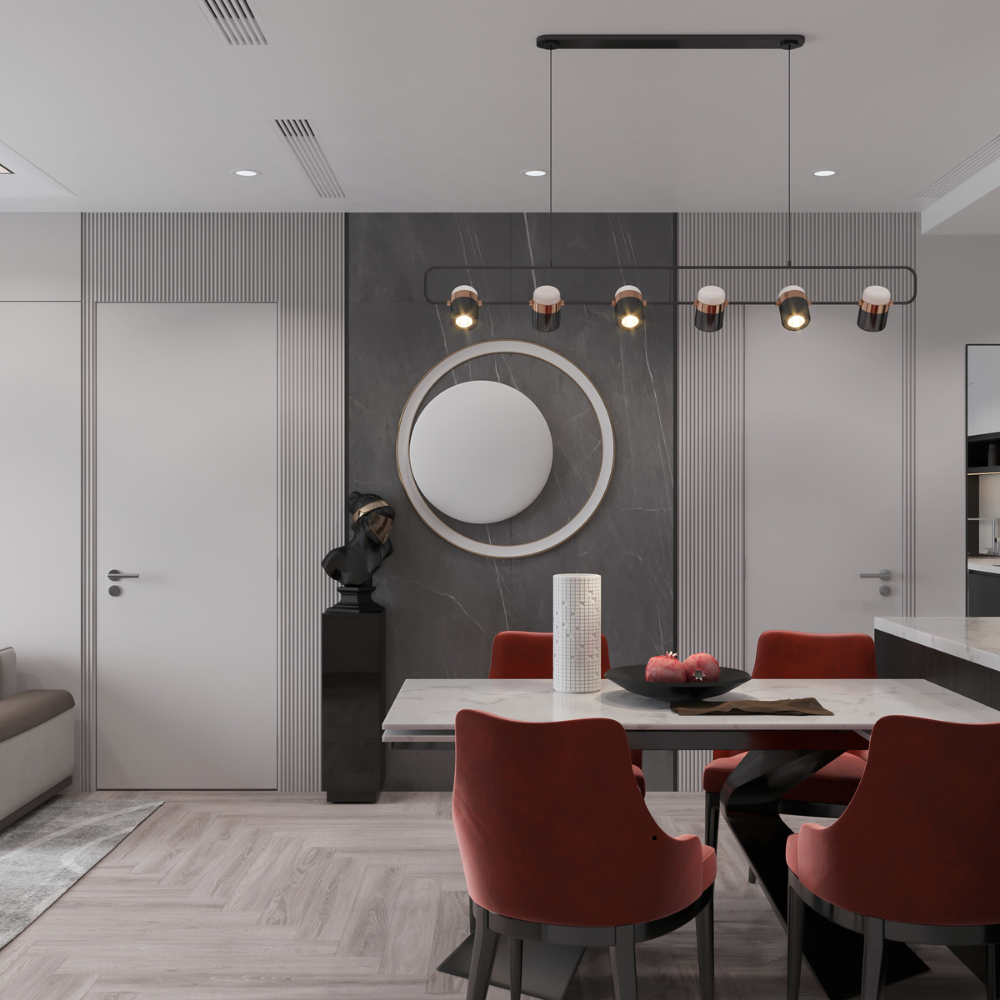
Common Mistakes to Avoid
When designing a room, avoiding common mistakes can make a big difference in the final result.
Overcrowding is one of the most frequent errors. Adding too much furniture or decor makes a space feel tight and uncomfortable. Always leave enough walking space for easy movement.
Poor lighting can ruin even the best design. Relying on a single ceiling light creates harsh shadows and dull corners. Use layered lighting to improve both function and mood.
Ignoring proportions leads to imbalance. Large furniture in a small room—or tiny pieces in a big space—can look awkward. Choose items that match the room’s size.
Choosing style over comfort may look good but feels impractical. Always prioritize usability and comfort
Final Words
Room interior design is more than just arranging furniture or choosing colors—it shapes how a space feels and functions every day. A thoughtfully designed room enhances comfort, improves mood, and reflects personal style. By understanding key elements, selecting the right style, and following a clear step-by-step approach, anyone can create a balanced and inviting space. The key is careful planning and smart decisions. Always aim for the right balance between style and functionality so your room not only looks beautiful but also supports your daily lifestyle needs
Frequently Asked Questions – Room Interior Design
Room interior design improves comfort, functionality, and visual appeal. A well-designed room enhances mood, supports daily activities, and makes better use of available space. Proper layout, lighting, and color selection can transform an ordinary room into a beautiful and practical living environment.
You can improve room interior design by rearranging furniture, using layered lighting, adding indoor plants, and choosing a simple color scheme. Small updates like new cushions, wall art, or better organization can make a big difference without major spending.
Successful room interior design depends on space planning, balanced layout, proper lighting, coordinated colors, furniture proportion, and texture selection. When these elements work together, a room becomes both stylish and comfortable.
Neutral shades like white, beige, soft grey, and pastel tones work best for room interior design. These colors make the room feel more spacious, calm, and visually balanced. You can add accent colors through cushions, rugs, or wall art to create personality without overwhelming the space.
Lighting plays a major role in room interior design as it influences both mood and functionality. A mix of ambient, task, and accent lighting helps create depth and comfort. Proper lighting highlights design elements and makes the room look more inviting and practical for daily use.