
Simple Bedroom Decorating Ideas for a Stylish and Comfortable Space
Designing a home today is not just about filling space—it’s about creating an experience. That’s why more homeowners are moving towards high end home interiors to build spaces that feel refined, comfortable, and visually impressive.
But here’s the truth: luxury is not about spending more. It’s about making the right design choices. When your home includes premium craftsmanship detailing, refined luxury textures, and an upscale interior presence, it naturally feels elevated.
In this guide, we’ll walk through everything in a simple and practical way—so you can understand how to create a premium residential ambiance using smart design, not just expensive décor.
What Defines High End Home Interiors?
High end home interiors are built around quality, planning, and attention to detail. Unlike basic interiors, where focus is only on furniture or colors, high-end design focuses on the complete experience.
It combines elite residential styling with refined design execution, where every element works together. From layout to lighting, everything is connected.
You can think of it like this:
A normal home is functional.
A high-end home is intentional and curated.
It reflects a lifestyle, not just a design.
Step-by-Step Approach to Designing High End Interiors
If you want your home to look polished, elegant, and truly premium, it helps to follow a clear process. A high-end space does not come together by accident. It is built step by step, with each decision supporting the overall look and feel.
Step 1: Start with a Clear Vision
Before buying furniture or choosing colors, define the overall style you want. Ask yourself whether you prefer modern luxury, minimalist elegance, classic sophistication, or a warm contemporary look. This first step sets the direction for everything else and helps you avoid random choices later. A clear vision also makes it easier to maintain consistency throughout the design process.
It also helps to gather inspiration before you begin. Look at reference images, design styles, or real spaces that match your taste. This gives you clarity and prevents confusion during execution, especially when making decisions about materials and finishes.
Step 2: Plan the Layout Carefully
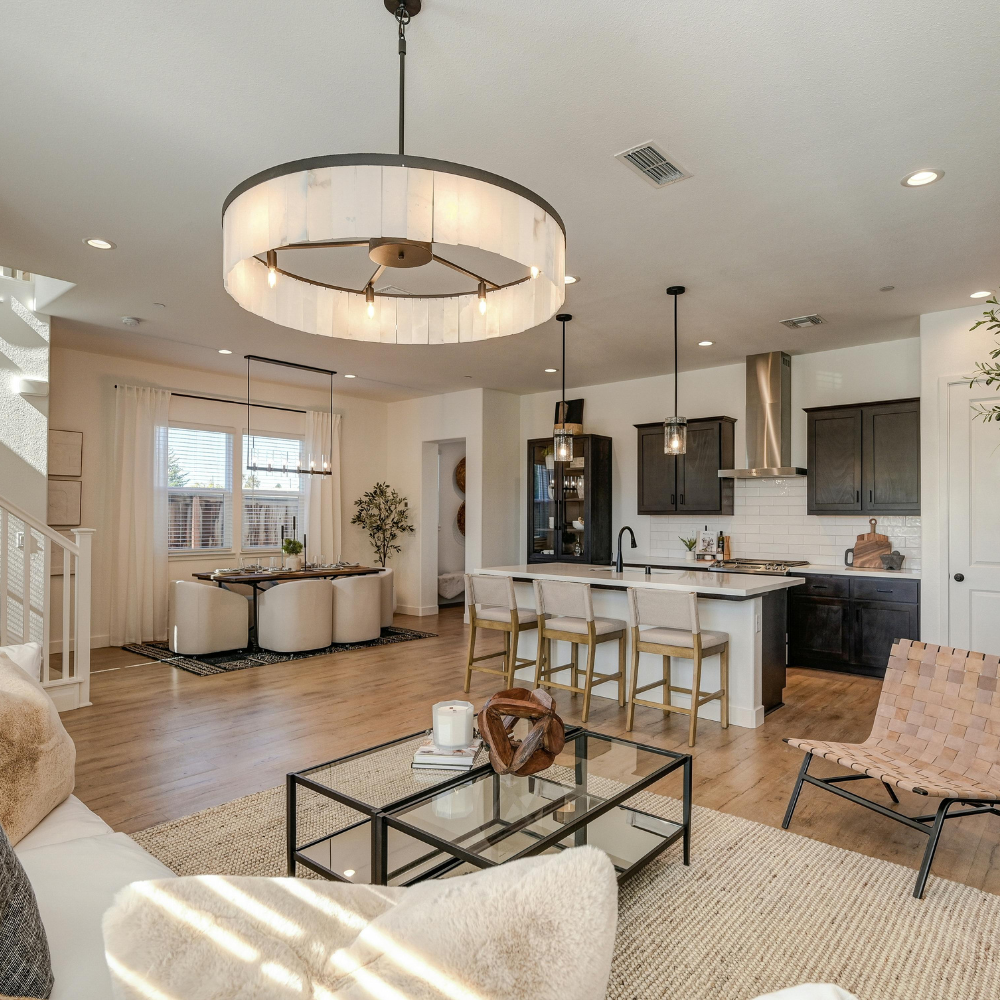
A luxury interior is never just about decoration. It starts with smart space planning. Think about how people will move through the room, where the focal points should be, and how each area will function. Good layout planning improves comfort, flow, and visual balance. When the layout feels right, even a simple design can look premium and well thought out.
You should also consider scale and proportion at this stage. Furniture that is too large or too small can disrupt the balance of the space. A well-proportioned layout ensures everything feels aligned and visually pleasing.
Step 3: Choose a Strong Base Palette
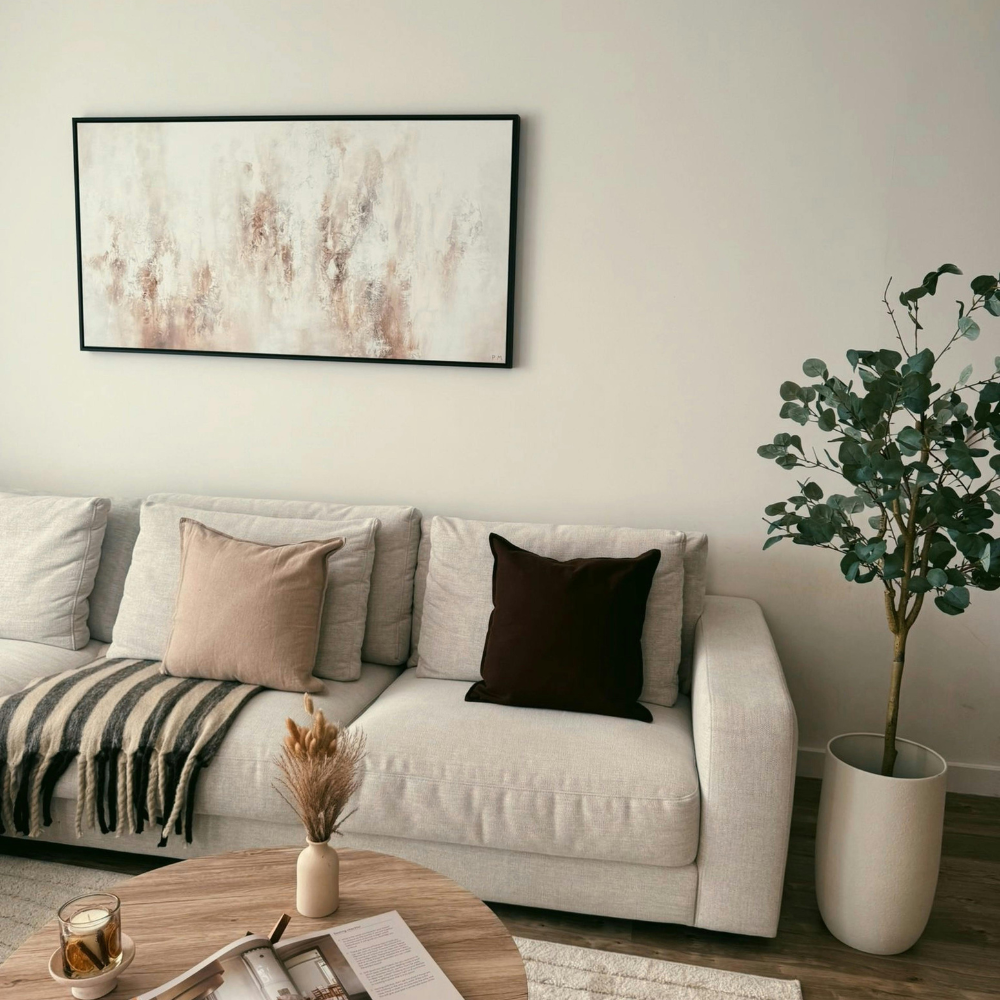
Most high end home interiors begin with a calm and timeless color foundation. Neutral shades like beige, warm white, taupe, soft grey, and muted earthy tones work well because they create a refined backdrop. These tones also allow textures, furniture, and finishes to stand out more beautifully. A strong base palette also makes future updates easier without disturbing the overall design.
In addition, sticking to a limited color palette helps maintain a clean and sophisticated look. Too many colors can make the space feel busy, while a controlled palette creates harmony and elegance.
You can also introduce subtle variations within the same color family to add depth. This keeps the design interesting while still maintaining a cohesive and premium feel.
Step 4: Invest in Key Furniture Pieces
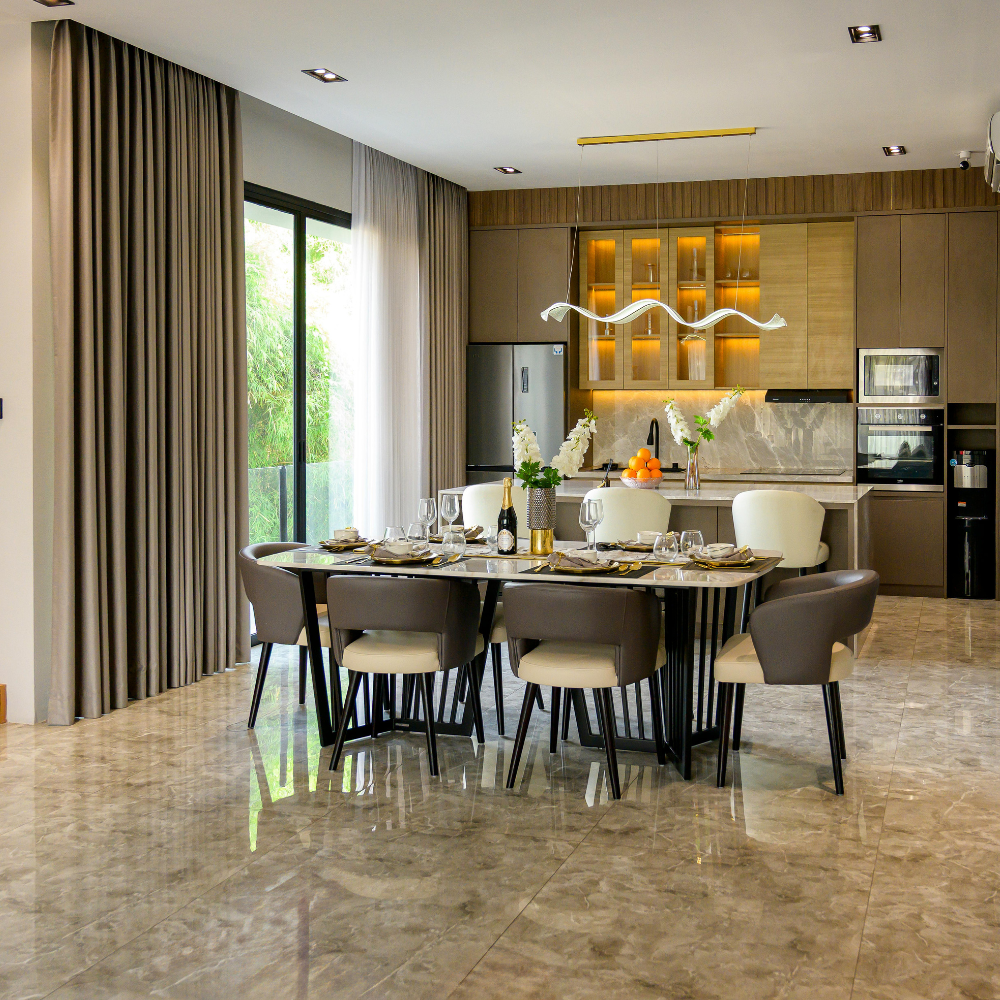
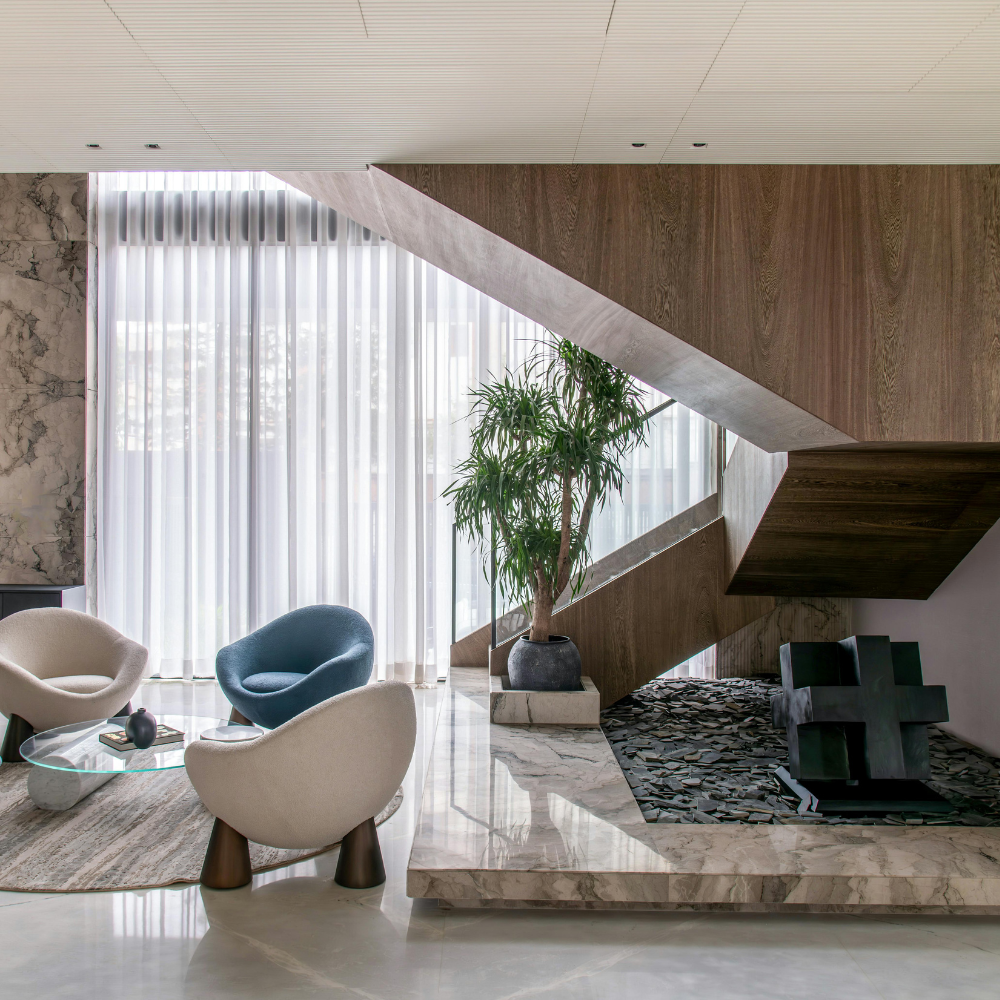
You do not need every item in the room to be expensive, but the main pieces should feel high quality. A well-designed sofa, a statement dining table, or a beautifully finished bed frame can shape the entire room. These anchor pieces help create stronger refined design execution and give the home a more elevated look. Investing in fewer but better pieces always delivers a more refined result.
It’s also important to choose furniture that balances comfort with aesthetics. A piece may look beautiful, but if it is not comfortable or practical, it will not support the overall living experience.
Another smart approach is to prioritize timeless designs over trendy ones. Trends change quickly, but classic, well-crafted furniture keeps your home looking elegant for years.
Step 5: Introduce Layers for Depth
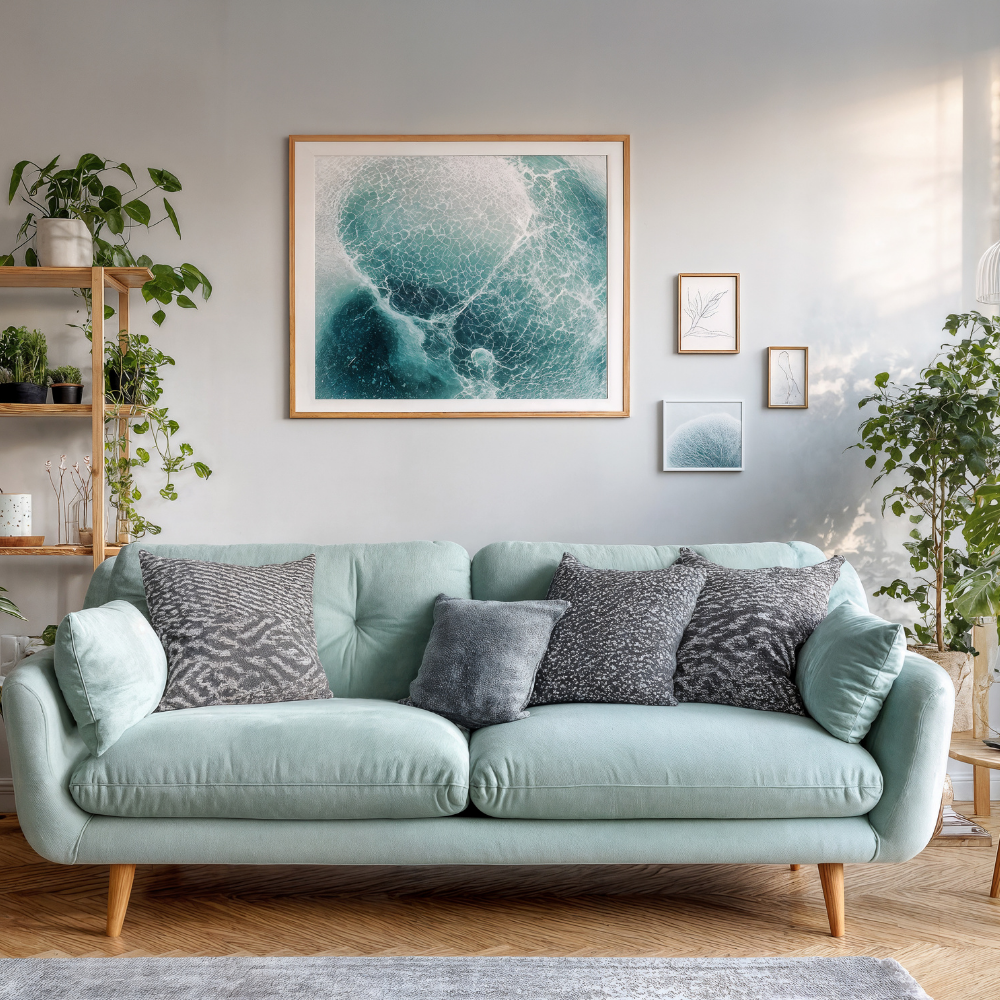
Once the basics are in place, start building depth through sophisticated design layering. This can include rugs, curtains, cushions, wall finishes, and soft furnishings. Layering is what makes a room feel complete instead of flat. It adds richness without making the design feel heavy. The key is to balance textures so the space feels warm but not overwhelming.
Try mixing different materials such as soft fabrics, smooth surfaces, and natural elements. This contrast creates visual interest while keeping the overall design balanced and cohesive.
You should also vary the scale of elements in the room. Combining larger pieces with smaller accents creates a more dynamic and visually engaging space.
Step 6: Focus on Lighting Design
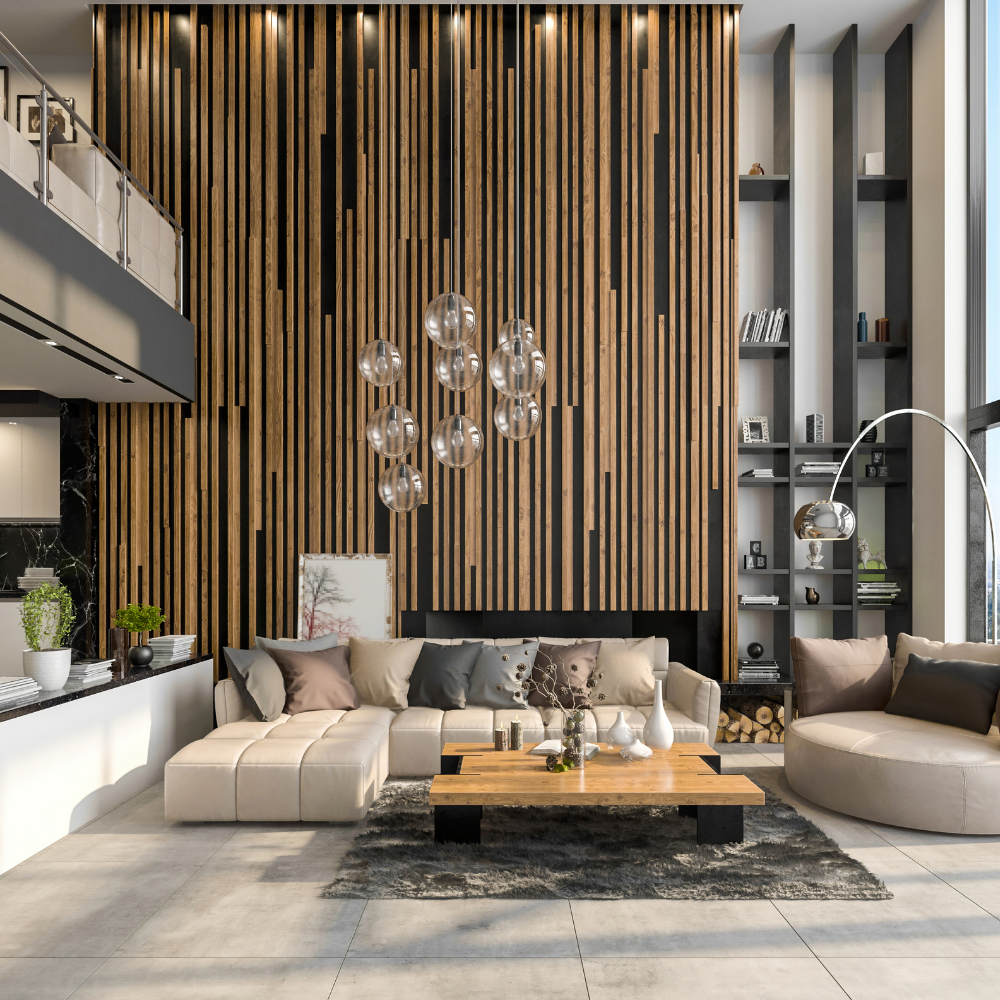
Lighting has the power to completely change how a room feels. Use a mix of ambient lighting, accent lighting, and decorative fixtures to create warmth and drama. Well-planned lighting improves the upscale interior presence of the room and highlights its best features. Even the best design can fall flat without proper lighting, so this step should never be rushed.
You can also use lighting to define zones within a space. For example, softer lighting in relaxation areas and brighter lighting in functional areas helps create a more dynamic and comfortable environment.
Another effective approach is to use dimmable lighting. This allows you to adjust the mood of the space depending on the time of day or activity, adding flexibility to your design.
Step 7: Pay Attention to Fine Details
The final luxury feel often comes from small details. Handles, trims, stitching, edge finishes, hardware, and material transitions all matter. These details show premium craftsmanship detailing and help turn a good design into a truly high-end one. When these elements are executed properly, they quietly elevate the entire space without needing extra decoration.
Another important thing to consider is consistency in detailing. If one part of the space feels premium but another looks unfinished or mismatched, it breaks the overall experience.
It is also worth taking time to inspect finishing quality before finalizing the design. Even small imperfections can affect the overall perception of luxury, so precision and attention at this stage are essential
Why High-End Interiors Make a Real Difference
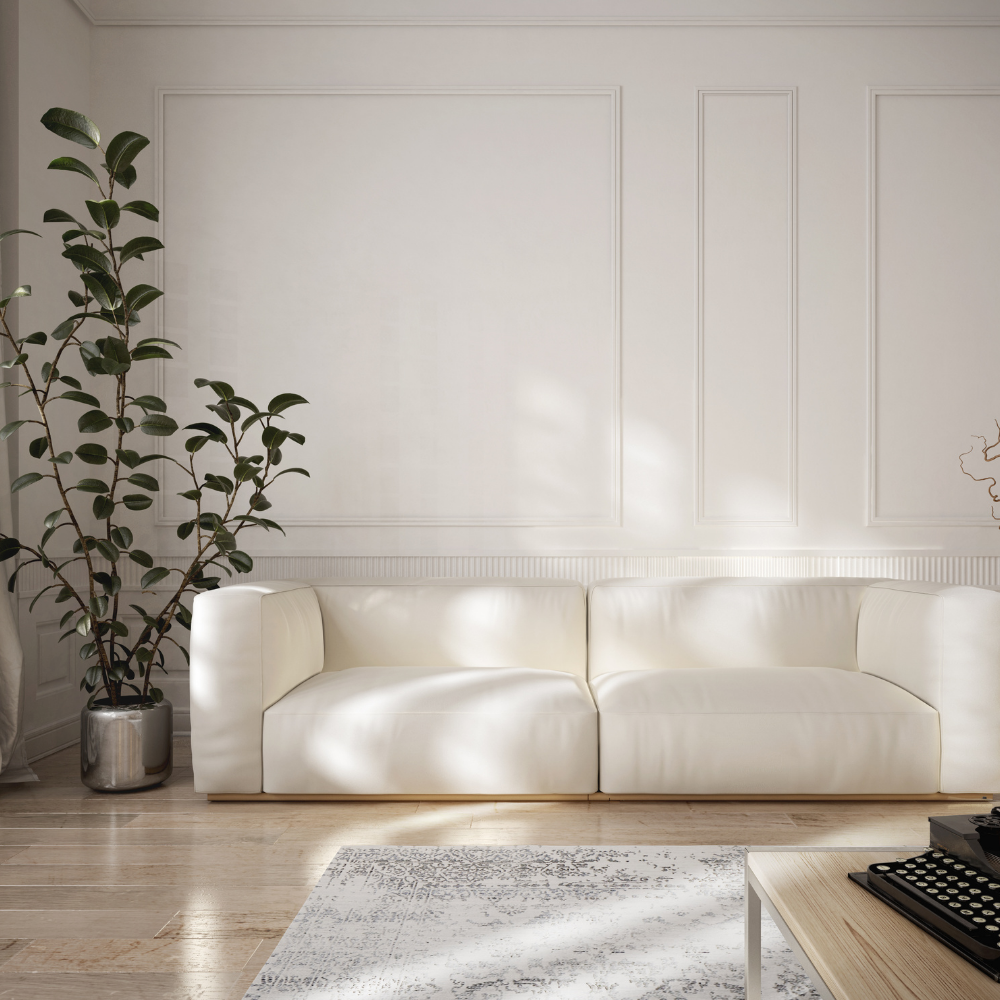
There are clear reasons why people invest in luxury home design today.
1. It Improves Everyday Living
A space designed with refined luxury textures feels more comfortable and calming. You notice the difference in lighting, seating, and movement.
2. It Creates a Strong Impression
The use of statement luxury features like feature walls or designer lighting makes your home stand out instantly.
3. It Blends Beauty with Function
Luxury interiors are not just beautiful—they are practical. Proper upscale spatial styling ensures better flow and usability.
Key Elements That Create a High-End Look
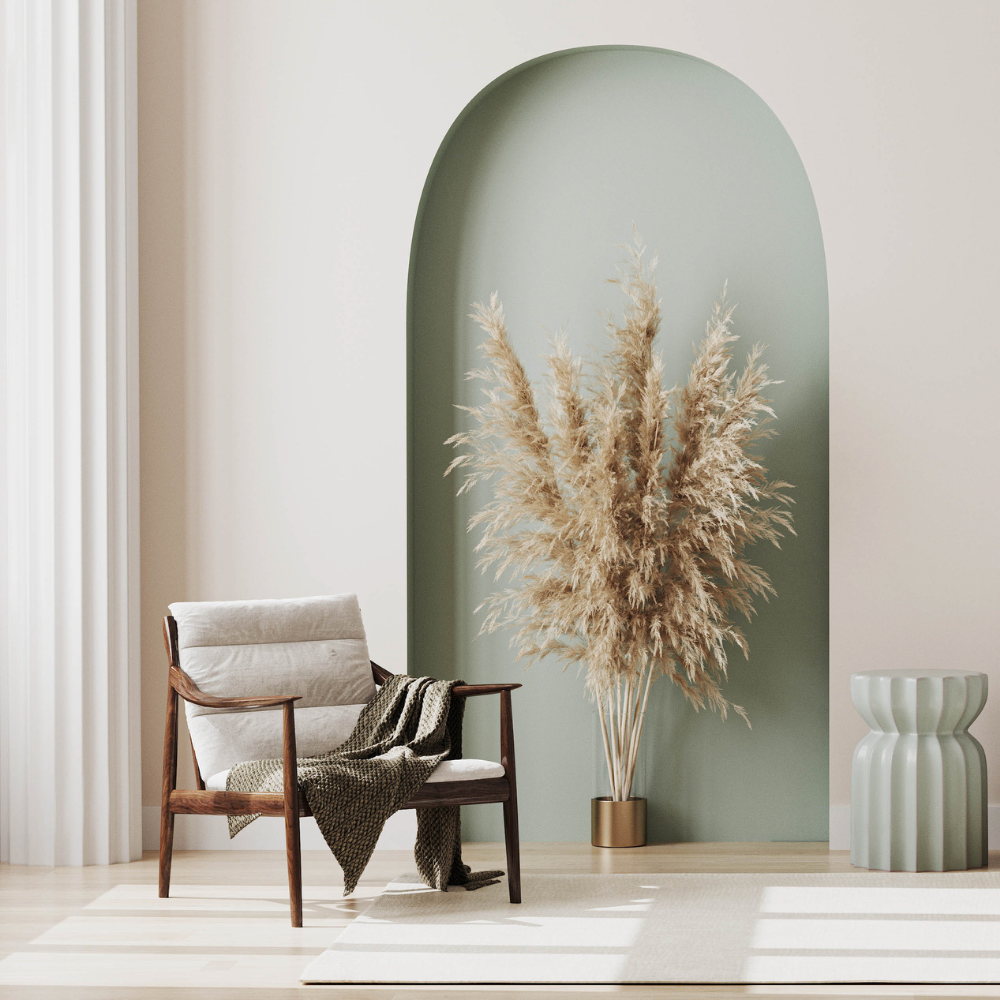
Now let’s break down what actually builds a luxury space.
Premium Materials Set the Foundation
You cannot achieve a luxury feel with low-quality materials. High-end interiors rely on:
- Natural wood
- Stone or marble
- Glass and metal finishes
These materials enhance elite interior craftsmanship and create a lasting impression.
Layering Brings Depth to the Space
One of the most important concepts is sophisticated design layering.
Instead of designing everything at once, you build the space in layers:
- Base colors
- Furniture
- Lighting
- Textures
This creates a balanced and rich environment without making it look crowded.
Small Details Make a Big Impact
Luxury is often hidden in details.
Things like:
- Clean edges
- Smooth finishes
- Well-fitted furniture
All of these reflect premium craftsmanship detailing. Even a simple design can look high-end if the detailing is done right.
Modern Luxury Interior Design Trends
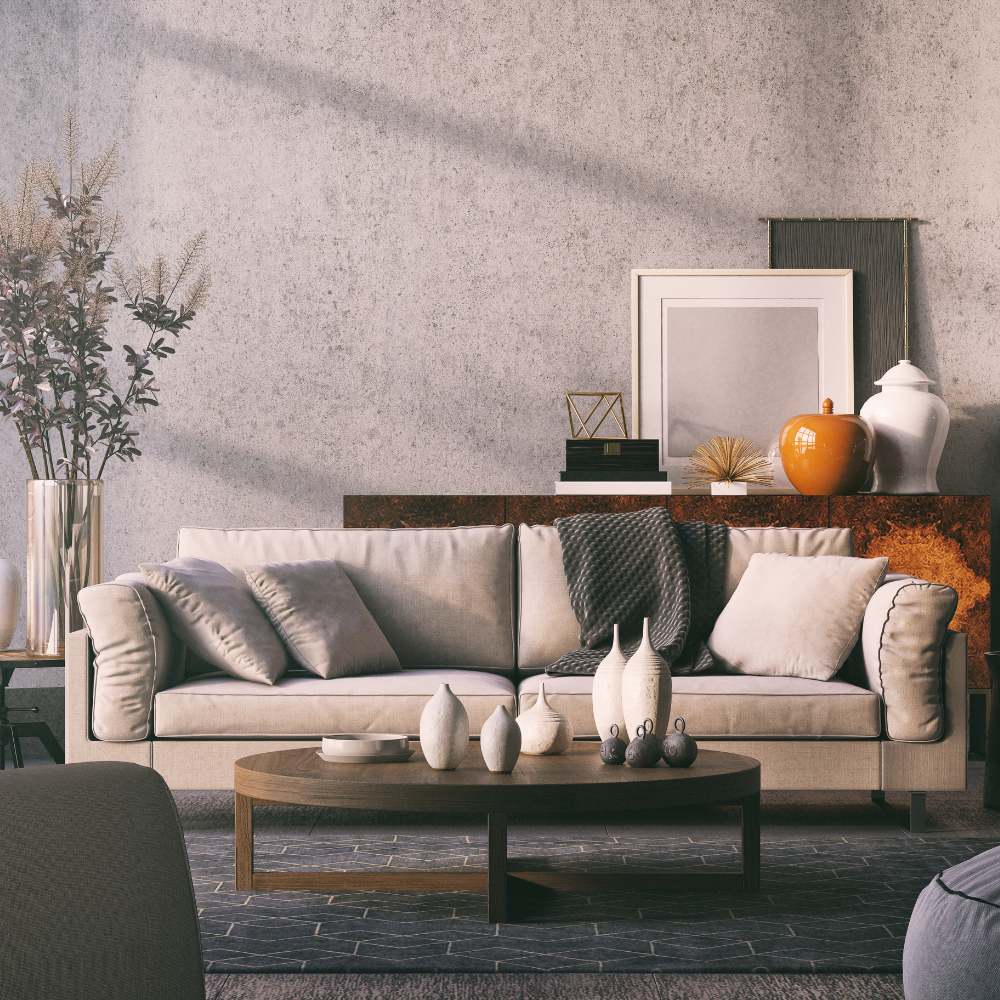
Luxury interior design continues to evolve as new styles and technologies emerge. Some of the most popular trends today include:
Smart Home Integration
Luxury homes increasingly include smart lighting, automated curtains, climate control, and voice-activated systems. Technology makes the home more convenient while maintaining a clean design.
Minimal Luxury
Many homeowners now prefer minimalist luxury interiors. Instead of heavy decoration, designers focus on clean lines, open spaces, and fewer but higher-quality items. This approach creates a calm and modern environment.
Natural Materials and Sustainability
Sustainability is becoming an important part of luxury design. Designers are using eco-friendly materials, natural wood, recycled stone, and energy-efficient lighting. Luxury today means not only beauty but also responsible design choices.
Common Mistakes That Ruin Luxury Interiors
Even a good budget can fail if mistakes are made.
Here are some common ones:
- Overfilling the space with furniture
- Using too many colors
- Ignoring lighting placement
- Mixing too many styles
- Choosing quantity over quality
Avoiding these mistakes helps maintain a clean and premium residential ambiance.
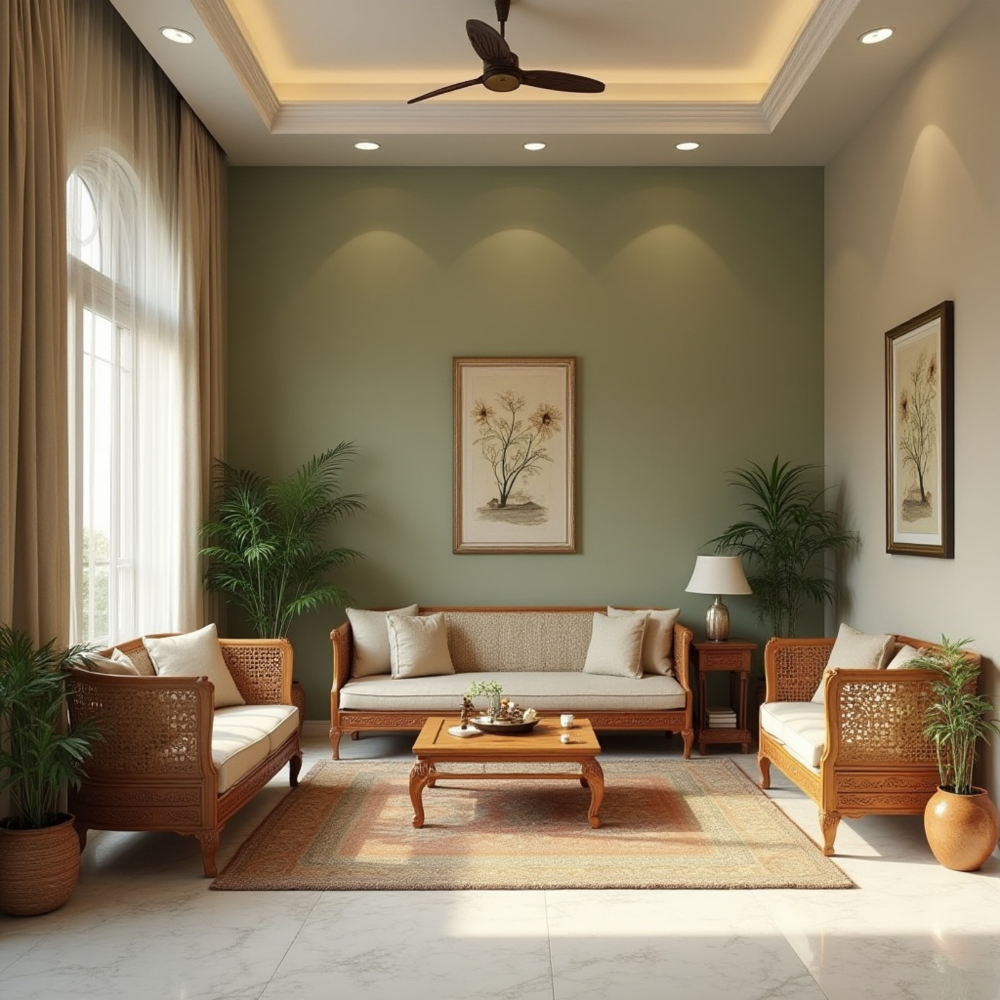
Expert Tips to Instantly Elevate Your Space
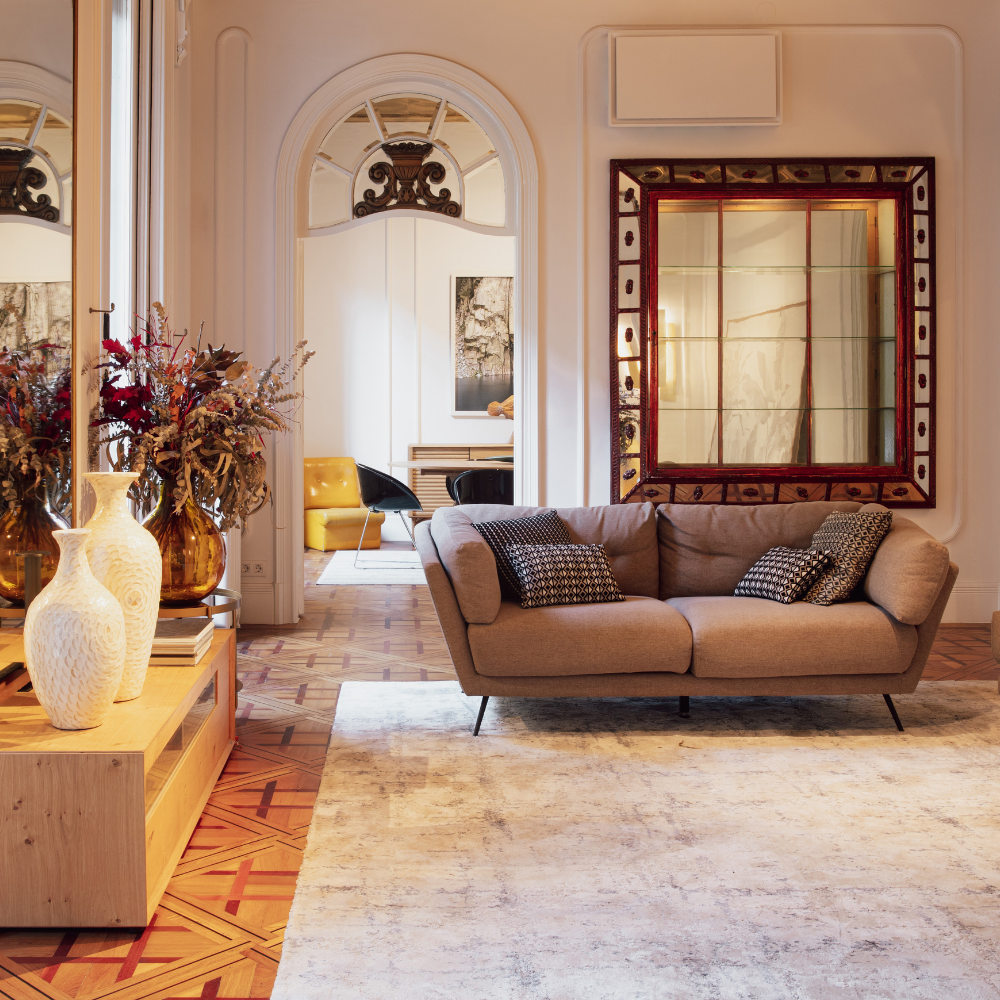
If you want quick improvements, follow these practical tips. You don’t always need a full redesign to make your home feel premium—small, smart changes can create a noticeable difference. When applied correctly, these tips help build a stronger upscale interior presence and improve the overall feel of your space.
Keep It Minimal but Meaningful
Luxury is not about adding more—it’s about choosing better. Focus on fewer, high-quality pieces that actually add value to the space. When every item has a purpose, the design feels cleaner and more intentional. A clutter-free environment also allows key elements to stand out, making the space feel more open and refined.
Focus on Balance
Maintain symmetry in furniture and décor placement. Balanced spaces feel calm and visually pleasing, which is a key part of high-end design. Even small adjustments in placement can improve the overall harmony of a room without making it look forced.
Use Lighting Strategically
Highlight key areas like walls, artwork, or furniture. Lighting should guide the eye and enhance the most important parts of your design. When used properly, lighting also enhances refined luxury textures and adds depth to the overall space.
Add Natural Elements
Wood, plants, or stone bring warmth to the design. These elements soften the overall look and make the space feel more inviting and comfortable while maintaining a premium feel.
Stick to a Consistent Theme
Consistency is key for strong elite residential styling. All elements—colors, materials, furniture, and finishes—should feel connected and part of the same design story, creating a more polished and refined result.
Real-Life Example of a High-End Space
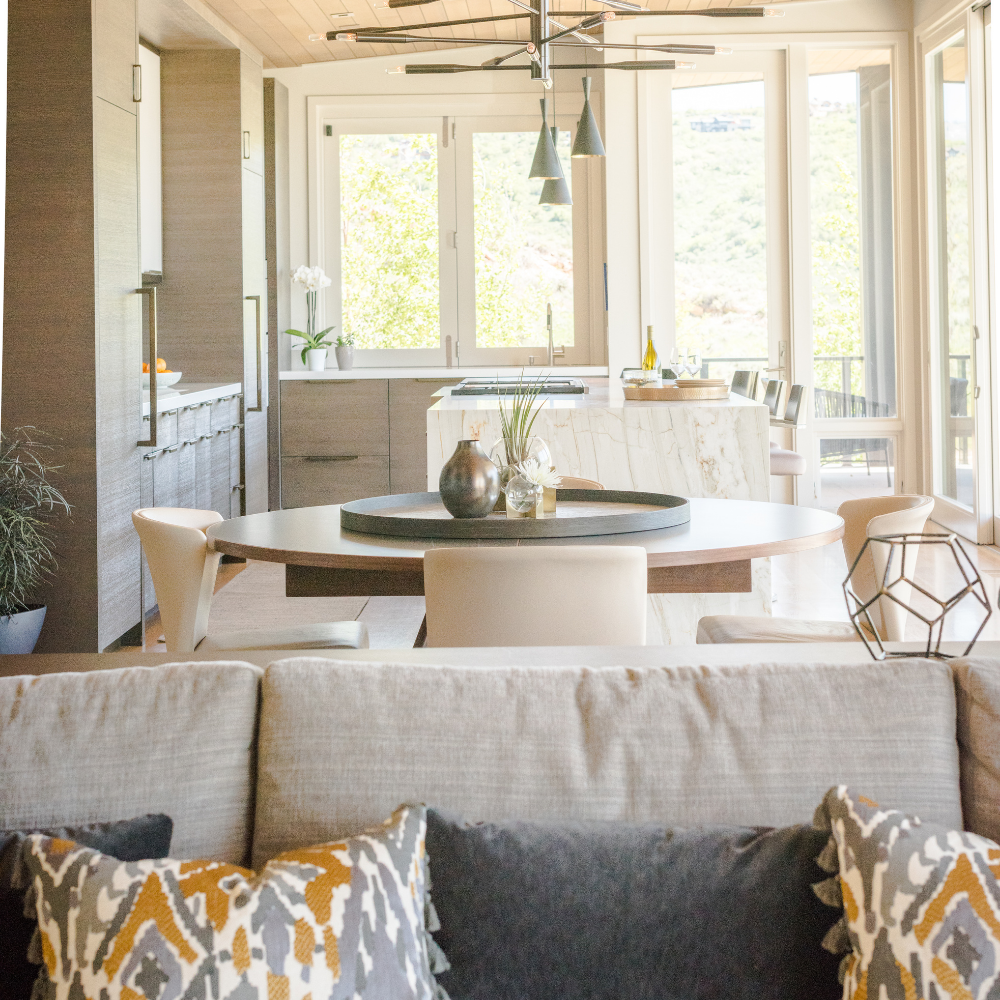
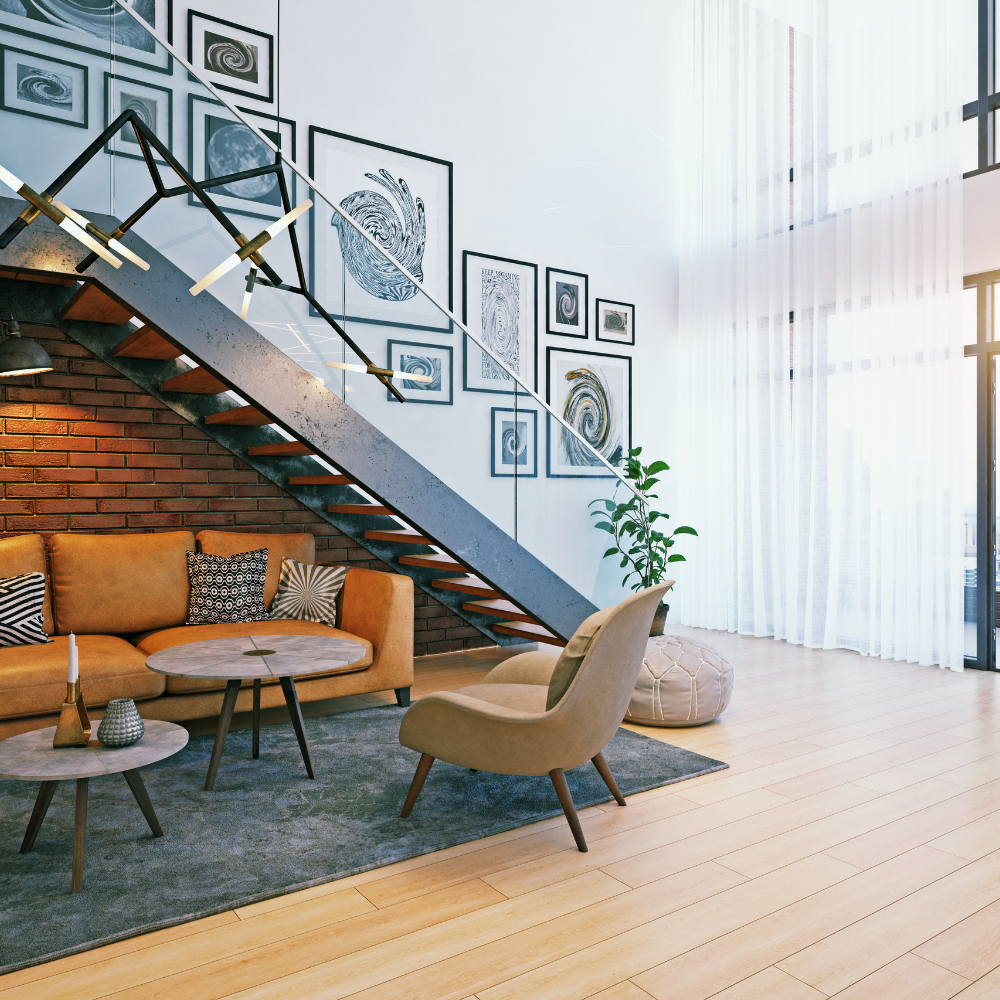
Imagine entering a living room where everything feels calm and well-balanced.A neutral color palette sets the tone. A soft-textured sofa is placed perfectly in the center. Warm lighting highlights a feature wall, while a statement chandelier adds elegance. Nothing feels extra, yet everything feels premium.
This is the result of combining:
- Upscale spatial styling
- Refined luxury textures
- Elite interior craftsmanship
It’s not loud—it’s refined.
Conclusion
Creating high end home interiors is not about spending more money—it’s about making smarter design decisions. By focusing on premium craftsmanship detailing, sophisticated design layering, and refined design execution, you can transform any space into a luxury environment.
Remember, true luxury is not seen—it is felt. When your home feels balanced, comfortable, and thoughtfully designed, you’ve already achieved a high-end look.
FAQs Luxury Home Interior Design
What are high end home interiors?
High-end home interiors focus on quality materials, detailed craftsmanship, and a well-planned design approach to create a luxury living space.
Can I achieve a high-end look on a budget?
Yes, by focusing on key elements like lighting, textures, and a few premium pieces, you can create a luxury feel without overspending.
hich colors work best for luxury interiors?
Neutral tones like white, beige, and grey work best, combined with subtle accent colors.
How important is lighting in luxury interior design?
Lighting is very important as it enhances textures, highlights features, and defines the overall mood of the space.
Why should I hire a professional interior designer?
Professional designers bring expertise in layout planning, color coordination, and material selection, ensuring the home looks balanced and sophisticated.