

Modern Bedroom Design Ideas for a Stylish and Comfortable Home
A bedroom is more than a place to sleep — it is a personal retreat that should support relaxation, comfort, and emotional balance. Modern bedroom design ideas focus on creating calm environments through smart interior layout, layered lighting, and cohesive decor. A well-designed bedroom improves sleep quality while enhancing the visual harmony of your home. Every detail, from furniture placement to fabric texture, contributes to how restful and inviting the space feels.
Contemporary interior design emphasizes minimalism without losing warmth. Neutral color palettes, upholstered furniture, architectural lighting, and smart storage solutions are now essential elements in modern bedrooms. Clean lines help the mind relax, while soft materials maintain emotional comfort. When furniture, lighting, and textures work together, the bedroom transforms into a refined sanctuary rather than a basic functional space. The goal is to create a room that feels visually quiet but emotionally rich.
Modern bedroom environments also prioritize functionality. Storage must feel invisible, lighting must adapt to different moods, and décor should enhance rather than overwhelm. A successful bedroom design blends aesthetics with everyday usability, ensuring the space remains timeless instead of trend-dependent.
How To Decorate A Bedroom
Start with a cohesive color palette
The foundation of bedroom decoration begins with color psychology. Soft neutral tones such as beige, warm white, light grey, and muted earth shades create a peaceful atmosphere. These tones reflect light gently and visually expand the space. A neutral base also allows flexibility when updating décor in the future.
Accent colors like dusty blue, sage green, or terracotta can be added through cushions, throws, or artwork to introduce personality without visual overload. Designers recommend repeating accent tones in small elements to maintain harmony. This creates rhythm in the room and prevents scattered color placement.
Use layered lighting for atmosphere
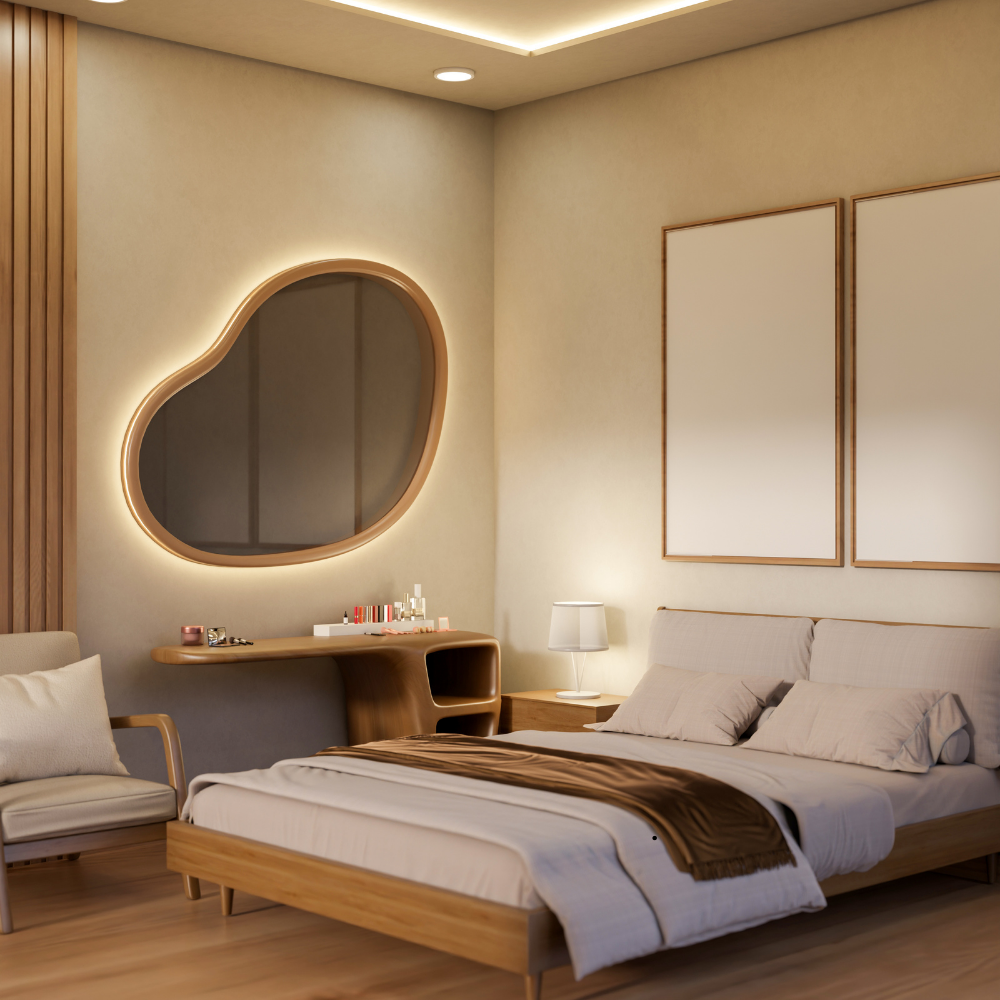
Lighting acts as both décor and functionality. Modern bedroom design uses layered illumination — ambient ceiling lighting, bedside task lights, and concealed LED strips. Warm lighting creates softness and relaxation, while adjustable brightness allows mood changes throughout the day.
Indirect lighting behind headboards or ceilings adds architectural depth. Decorative pendant lights or wall sconces can act as artistic focal points while maintaining a gentle glow. Smart lighting systems allow dimming control and preset scenes, giving homeowners the ability to shift from bright functional lighting to calming evening ambiance instantly.
Add texture to prevent a flat look
A bedroom should feel tactile and inviting. Rugs, curtains, upholstered headboards, and layered bedding add depth and warmth. Texture absorbs sound and softens acoustics, which contributes to better sleep quality.
Mixing materials like wood, fabric, glass, and brushed metal prevents monotony and enhances luxury appeal. Even subtle contrasts — matte surfaces paired with soft fabrics — create visual interest without cluttering the space.
Choosing bedding for your bedroom
Focus on comfort and breathable fabrics: Bedding influences both sleep quality and visual aesthetics. High-quality cotton, linen, and soft microfiber fabrics improve comfort while maintaining elegance. Breathable materials regulate temperature and support restful sleep, especially in warm climates. Neutral bedding colors align with modern bedroom design ideas and promote calmness. Soft whites, sand tones, and muted greys create a hotel-like atmosphere that feels clean and timeless.
Layer bedding like a luxury hotel: Layered bedding creates a premium hotel-style appearance. Sheets, duvets, throws, and decorative pillows add softness and visual richness. Designers recommend maintaining a limited color palette to avoid clutter while achieving a refined look. Texture variation is key. Smooth sheets combined with textured blankets create depth without overwhelming the senses.
Align bedding with interior theme: Bedding should support the room’s design identity. Minimal bedrooms benefit from clean lines and subtle patterns, while luxury interiors can incorporate textured fabrics, stitched detailing, or quilted finishes. Consistency between bedding and furniture materials ensures a cohesive appearance.
How to create a luxury and modern bedroom layout
Build symmetry for visual balance
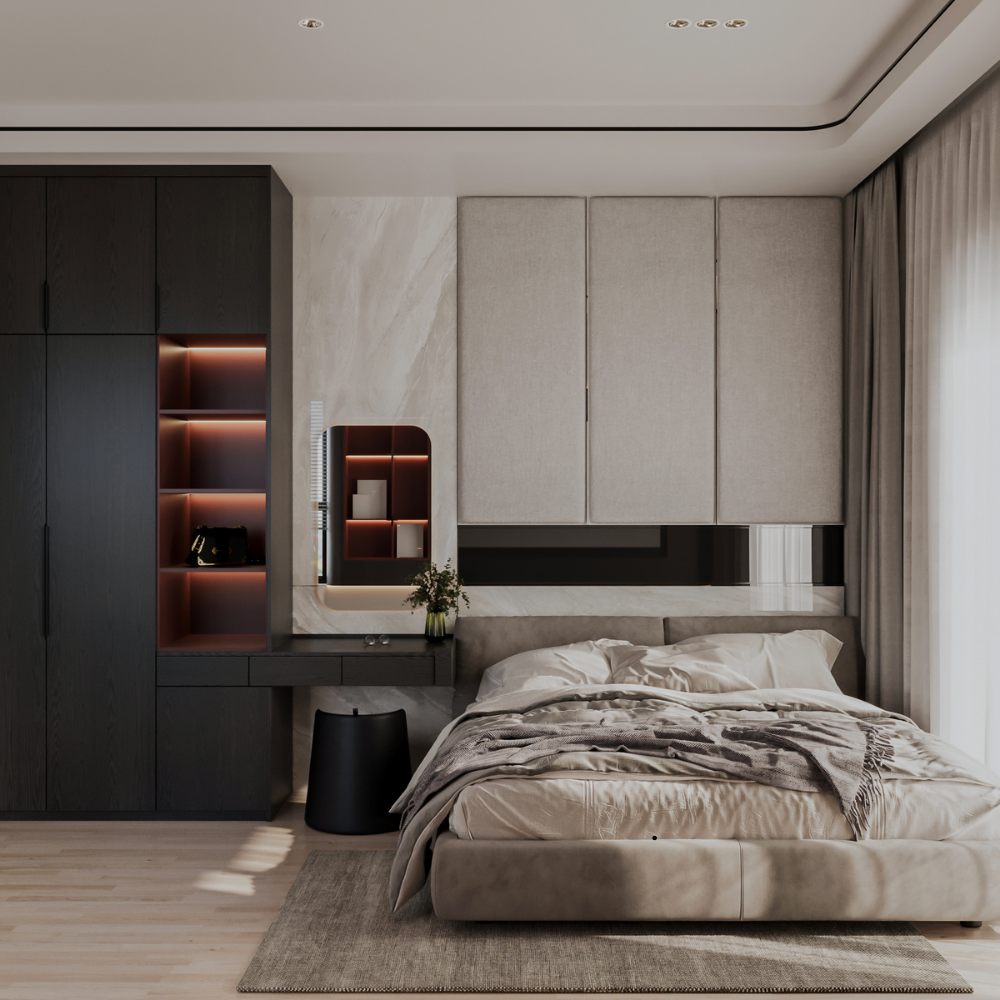
Symmetry brings psychological calm. Matching nightstands, centered beds, and balanced lighting fixtures create order and harmony. A symmetrical layout makes the bedroom feel structured and high-end.
Visual balance reduces mental clutter. When objects are evenly distributed, the brain perceives the environment as organized and relaxing.
Choose statement furniture pieces
A modern bedroom revolves around a strong focal point — usually the bed. Upholstered headboards, floating bed frames, and integrated lighting panels create architectural presence. Investing in quality furniture elevates the entire space and ensures longevity. Statement furniture should be bold but controlled. One strong focal piece is more effective than many competing elements.
Integrate smart storage solutions
Hidden storage maintains cleanliness. Built-in wardrobes, under-bed drawers, and floating shelves reduce clutter and protect visual calm. Storage should feel integrated into architecture rather than added as an afterthought.
A clutter-free environment is a key principle of modern bedroom design ideas. Organized spaces promote better mental rest and daily efficiency.
Use architectural lighting for depth
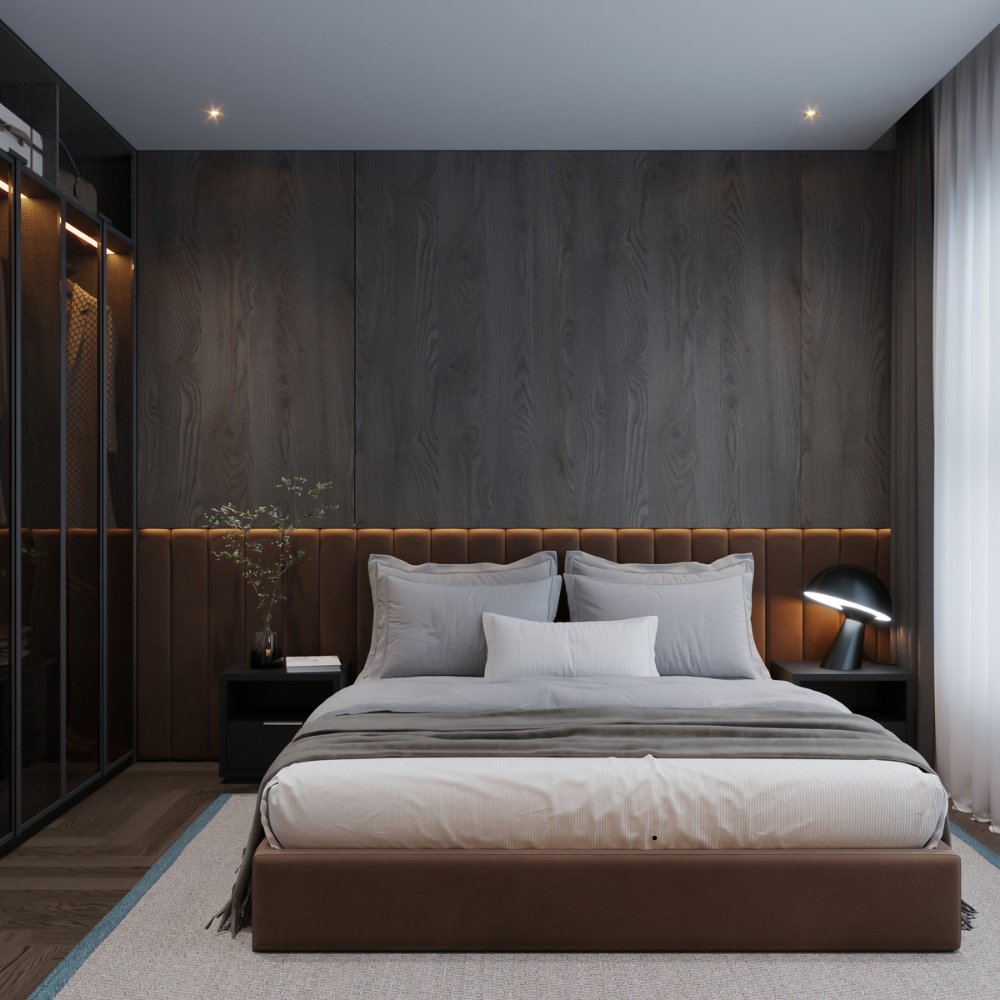
Cove lighting behind headboards or ceilings adds dimension. Concealed LED lighting highlights walls and textures without visible fixtures, creating a soft glow that enhances luxury. Lighting should shape the room subtly instead of dominating it.
How to create a luxury and modern bedroom layout
Build symmetry for visual balance
Symmetry brings psychological calm. Matching nightstands, centered beds, and balanced lighting fixtures create order and harmony. A symmetrical layout makes the bedroom feel structured and high-end.
Visual balance reduces mental clutter. When objects are evenly distributed, the brain perceives the environment as organized and relaxing.
Choose statement furniture pieces
A modern bedroom revolves around a strong focal point — usually the bed. Upholstered headboards, floating bed frames, and integrated lighting panels create architectural presence. Investing in quality furniture elevates the entire space and ensures longevity. Statement furniture should be bold but controlled. One strong focal piece is more effective than many competing elements.

Stick to light and neutral colors
Light tones such as white, beige, and soft grey open tight spaces. These shades enhance brightness and support modern aesthetics. Dark colors can still be used as accents but should not dominate small rooms.
Keep decor minimal and intentional
Modern small bedrooms thrive on simplicity. Limiting decorative objects reduces clutter and creates a clean contemporary appearance. A few strong design elements are more effective than many small pieces. Purposeful decoration maintains personality without overwhelming the space.
Final Words
The best bedroom design ideas balance comfort, aesthetics, and functionality. Whether designing a spacious master suite or a compact modern bedroom, thoughtful lighting, smart furniture placement, breathable fabrics, and layered textures transform any space into a calming retreat designed for everyday living. A bedroom that feels organized, warm, and visually balanced becomes a foundation for better rest and emotional well-being — and that is the true goal of modern interior design.
FAQs About Bedroom Design Ideas
Q1. What are the best modern bedroom design ideas?
The best modern bedroom design ideas focus on minimal décor, neutral color palettes, layered lighting, and smart storage solutions. Clean furniture lines, soft textiles, and architectural lighting help create a calm and stylish environment that supports better sleep and relaxation.
Q2. How can I make my bedroom look luxurious on a budget?
You can create a luxury bedroom look by layering bedding, using warm lighting, adding textured fabrics, and choosing a cohesive color palette. Upholstered headboards, mirrors, and soft rugs instantly upgrade the space without requiring expensive renovations.
Q3. What colors are best for a relaxing bedroom?
Soft neutral colors such as beige, warm white, light grey, and muted earth tones are ideal for relaxation. These shades reflect light gently and promote emotional calm, making the bedroom feel larger and more peaceful.
Q4. How important is lighting in bedroom design?
Lighting is one of the most important elements in bedroom design. Layered lighting using ambient, task, and accent lights allows mood control throughout the day. Warm lighting improves comfort and supports better sleep quality.
Q5. How do I design a small modern bedroom?
A small modern bedroom benefits from space-saving furniture, light colors, mirrors, and minimal décor. Floating furniture and hidden storage help maximize floor space while maintaining a clean and contemporary appearance.
Home Interiors
At BG Interiors & Decor, we craft interiors that blend style and comfort to make your house truly feel like home.
Book a Consultation