
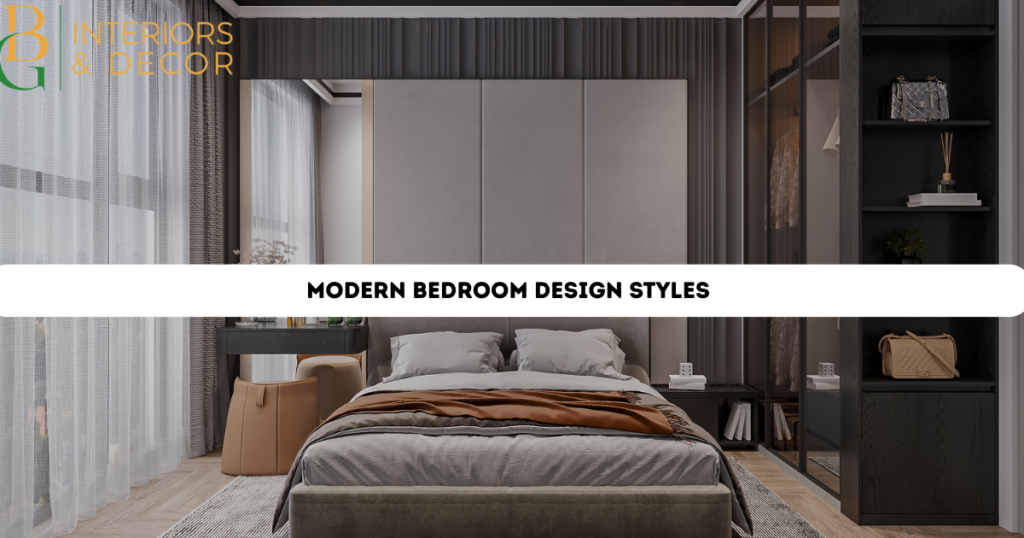
Bedroom is more than just a place to sleep it’s your personal retreat. The way a bedroom is designed affects mood, comfort, and even sleep quality. Good bedroom design combines style with functionality, creating a space that feels calm, organized, and inviting. Today, modern bedroom design focuses on simplicity, smart layouts, and thoughtful details that improve everyday living.
Whether you live in a large home or a small apartment, a well-designed bedroom can transform how you experience your space. From lighting and furniture placement to color choices and textures, every element plays a role. The goal is not just decoration, but creating a balanced environment where relaxation comes naturally.
With the right bedroom design ideas, you can turn any room into a space that reflects your personality while supporting comfort and modern living.
What Bedroom Design Really Means
Bedroom design is the art of planning and styling a sleeping space so it feels functional, comfortable, and visually pleasing. It’s not only about picking furniture or paint colors — it’s about how all elements work together. Layout, lighting, storage, and materials must support both aesthetics and daily life.
A good bedroom layout allows easy movement and reduces clutter. Furniture placement should create harmony, not crowd the room. Lighting must support different moods: soft light for relaxation, brighter light for dressing, and accent light for atmosphere. Colors and textures influence how a room feels — neutral palettes often create calm, while accent tones add personality.
Modern bedroom interior design also emphasizes practicality. Smart storage solutions, multi-functional furniture, and minimalist styling help keep the space organized. A bedroom should feel open and breathable, not overloaded with decoration.
Ultimately, bedroom design is about creating a private sanctuary. It’s where comfort meets personal style, and where thoughtful planning turns a simple room into a place of rest and recharge.
Why Good Bedroom Design Is Important
Good bedroom design matters because it directly impacts physical and mental well-being. A cluttered or poorly designed space can feel stressful, while a clean, balanced bedroom promotes relaxation. Since sleep quality affects health and productivity, the environment where you sleep deserves attention.
Lighting is one of the biggest factors. Soft layered lighting helps signal the brain to relax at night. Colors also influence mood — warm neutrals and calming shades create a peaceful atmosphere. Comfortable furniture and ergonomic layouts improve daily routines, making the room easy to live in.
A well-designed bedroom also improves organization. Smart wardrobes, hidden storage, and intentional furniture placement reduce mess and create visual clarity. When a space feels tidy and open, the mind feels calmer.
Beyond function, bedroom design reflects identity. Personal décor, art, textures, and styling choices make the space uniquely yours. A thoughtfully designed bedroom supports rest, comfort, and emotional well-being, turning a simple room into a place that feels safe and restorative.
Popular Bedroom Design Styles You Should Know
Choosing a bedroom style helps guide every design decision. Each style offers a different mood and personality, allowing you to create a space that fits your lifestyle.
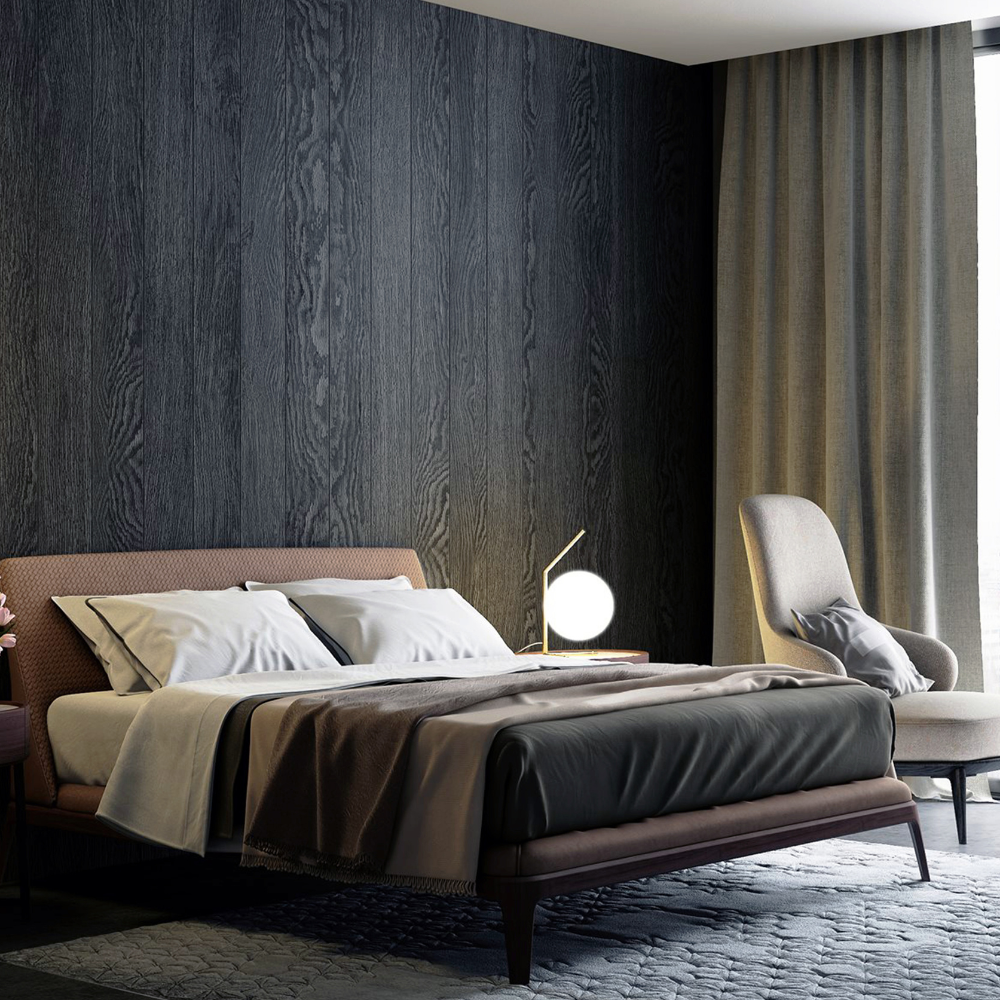
Modern bedroom design focuses on clean lines, minimal furniture, and neutral colors. The look is sleek, uncluttered, and functional. Modern bedrooms often use simple shapes, hidden storage, and soft lighting to maintain visual calm.
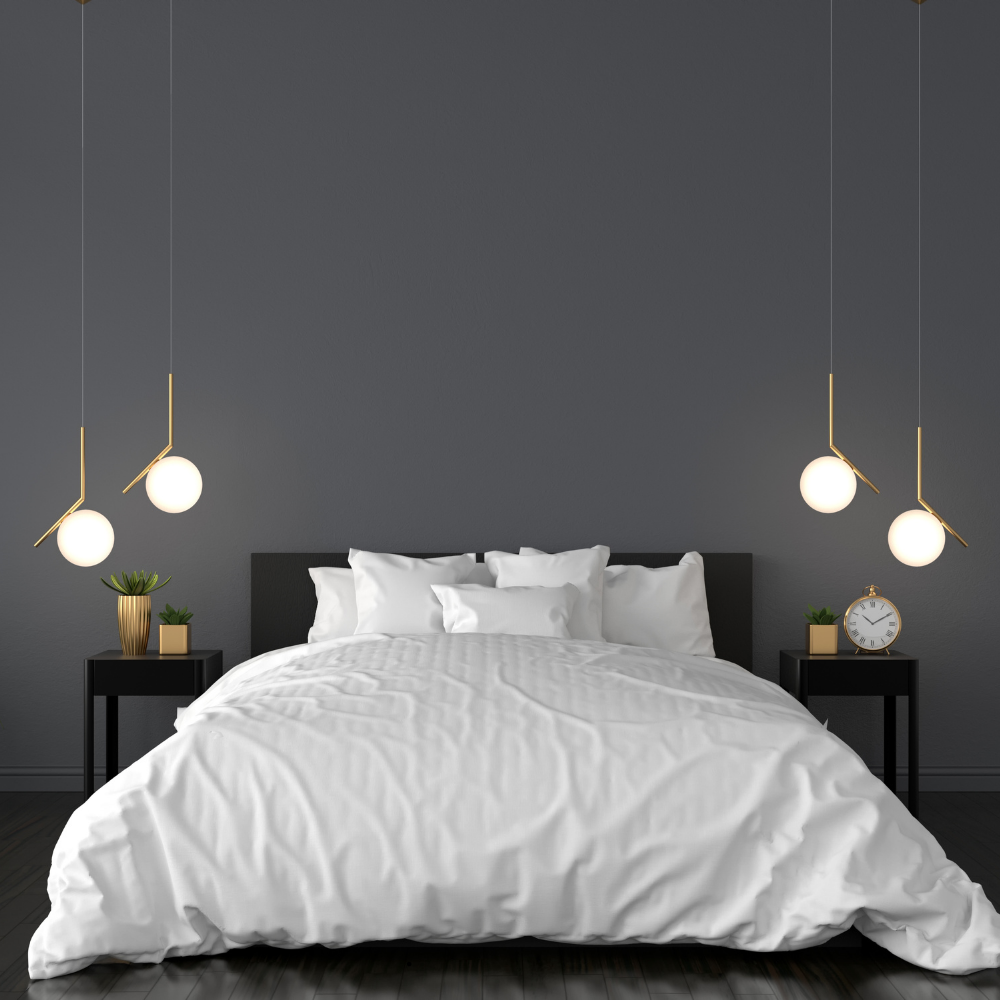
Minimalist bedroom design takes simplicity even further. It removes unnecessary elements and prioritizes open space. Furniture is limited to essentials, and décor is subtle. This style is perfect for people who want a peaceful, distraction-free environment.
Luxury bedroom design emphasizes high-end materials and dramatic accents. Velvet fabrics, statement lighting, oversized headboards, and layered textures create a hotel-like atmosphere. The goal is elegance and comfort without sacrificing practicality. Classic bedroom design features traditional shapes, warm colors, and decorative details. Wooden furniture, patterned fabrics, and symmetrical layouts create a timeless aesthetic that never feels outdated.
Scandinavian bedroom design blends minimalism with warmth. Light wood tones, soft textiles, and neutral colors create a cozy yet modern look. Natural light and simple décor are key features of this style.
Bohemian bedroom design embraces creativity and texture. Layered fabrics, mixed patterns, and artistic décor create a relaxed and expressive space. This style feels personal, colorful, and full of character.
Each bedroom design style can be adapted to your space and preferences. You don’t need to follow one style strictly — mixing elements often creates the most unique and comfortable result.
Final Touches: Bringing Your Bedroom Design Together
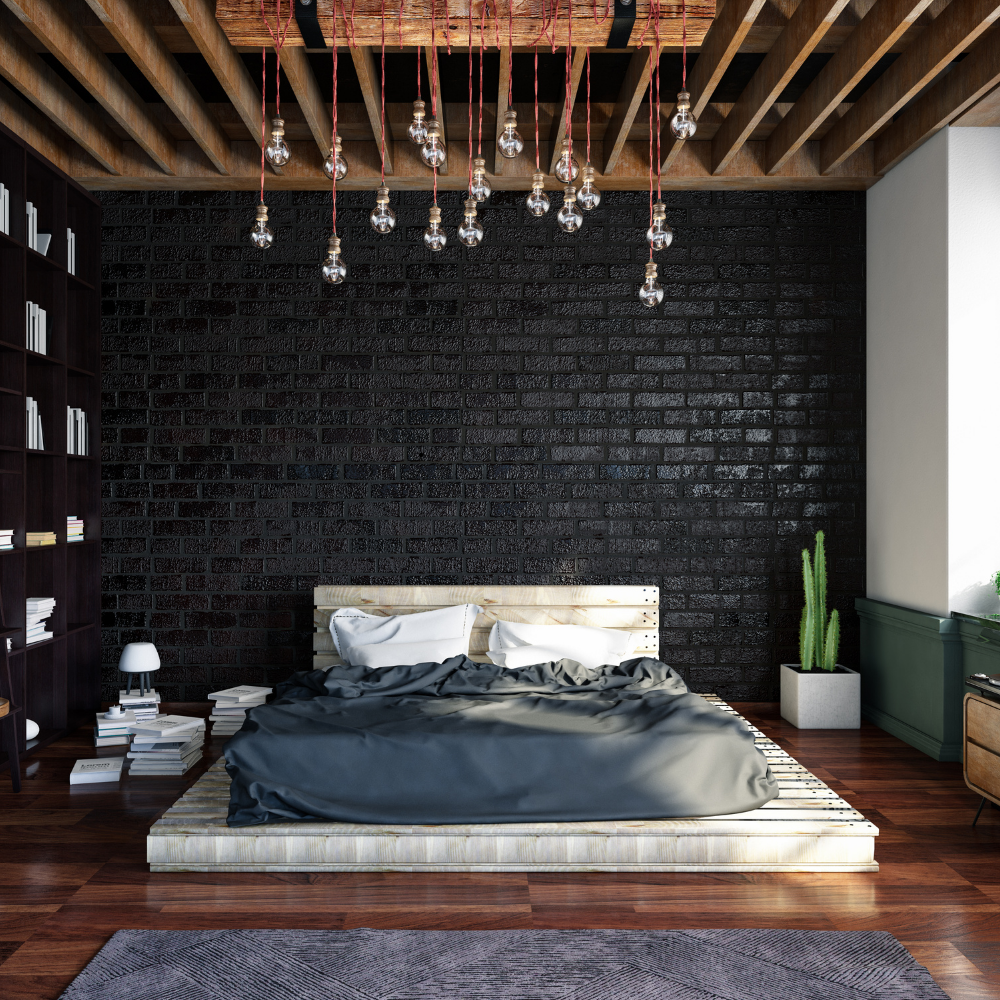
Great bedroom design is not about copying trends — it’s about creating a space that feels right for you. The final touches are what turn a well-designed room into a personal sanctuary. Small details like soft bedding, layered lighting, artwork, and carefully chosen décor add warmth and personality without overwhelming the space.
Focus on balance. Keep the room organized, allow space to breathe, and choose quality over quantity. A few meaningful pieces will always look better than clutter. Natural textures, calming colors, and comfortable fabrics help create an atmosphere that supports rest and relaxation.
Your bedroom should feel like an escape from the outside world — a place where style and comfort meet effortlessly. When design choices are intentional and personal, the result is a space that not only looks beautiful but also improves how you live every day.
FAQS On Bedroom Design
Q1: What defines a modern bedroom design?
Modern bedroom design is defined by clean lines, minimal furniture, neutral color palettes, and functional layouts. It focuses on simplicity, comfort, and creating a clutter-free environment that supports relaxation and practical living.
Q2: Which colors are best for modern bedroom design?
Neutral tones such as white, grey, beige, and soft earth colors work best for modern bedrooms. These colors create a calm and elegant atmosphere while allowing accent pieces like cushions or artwork to stand out.
Q3: How can I make my bedroom look modern on a budget?
You can achieve a modern bedroom look by decluttering the space, using simple furniture, adding soft lighting, and choosing minimal décor. Updating bedding, adding mirrors, and using neutral color schemes can instantly create a modern feel without high costs.
Home Interiors
At BG Interiors & Decor, we craft interiors that blend style and comfort to make your house truly feel like home.
Book a Consultation