
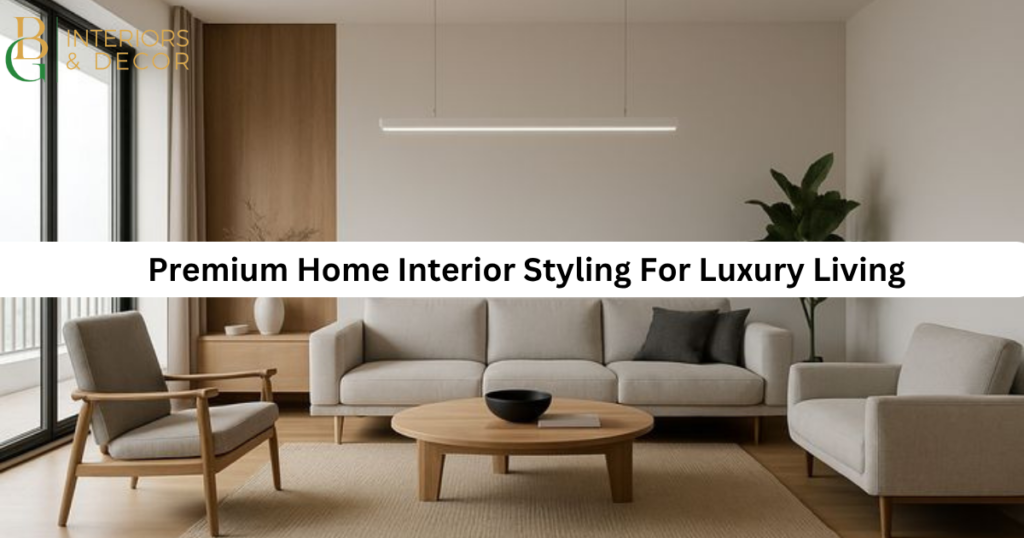
Simple Bedroom Decorating Ideas for a Stylish and Comfortable Space
Premium home interior styling is more than just decorating a space with attractive furniture. It is about creating a home that feels balanced, functional, and visually appealing at the same time. A well-designed interior does not only look good but also improves how you experience your daily life.
Many people think premium interiors require a high budget, but that is not always true. The real difference comes from planning, balance, and attention to detail. When everything in a room works together, even a simple setup can feel luxurious.
This guide will help you understand how to approach premium home interior styling in a clear and practical way.
Understanding the Core Principles of Premium Home Interior
Premium styling is based on how well different elements come together in a space.
What Makes a Space Look Premium Instead of Cluttered or Unorganized
A premium space feels clean, open, and intentional. Every item has a role, and nothing feels random. The layout allows movement, and the design feels complete without being overcrowded.
This is similar to wearing a well-coordinated outfit. Even simple pieces can look elegant when styled properly.
Why Simplicity and Intentional Design Create a More Refined Look
Simplicity is one of the strongest principles in premium home interior styling. When too many elements are added, the design loses clarity. A simple and intentional approach creates a calm and inviting environment.
How to Plan Your Interior Design Vision
Before buying furniture or décor, it is important to define your direction.
Choosing an Interior Style That Matches Your Personality and Lifestyle Needs
Decide the type of atmosphere you want in your home. It could be modern, minimal, warm, or elegant. This decision will guide your choices for furniture, colors, and accessories.
Sticking to one style helps maintain consistency and avoids confusion. Sticking to one style helps maintain consistency and avoids confusion. It also makes your home look more polished and professionally designed, as every element will connect with the overall theme instead of competing for attention.
Creating a Basic Layout Plan to Avoid Random and Unnecessary Purchases
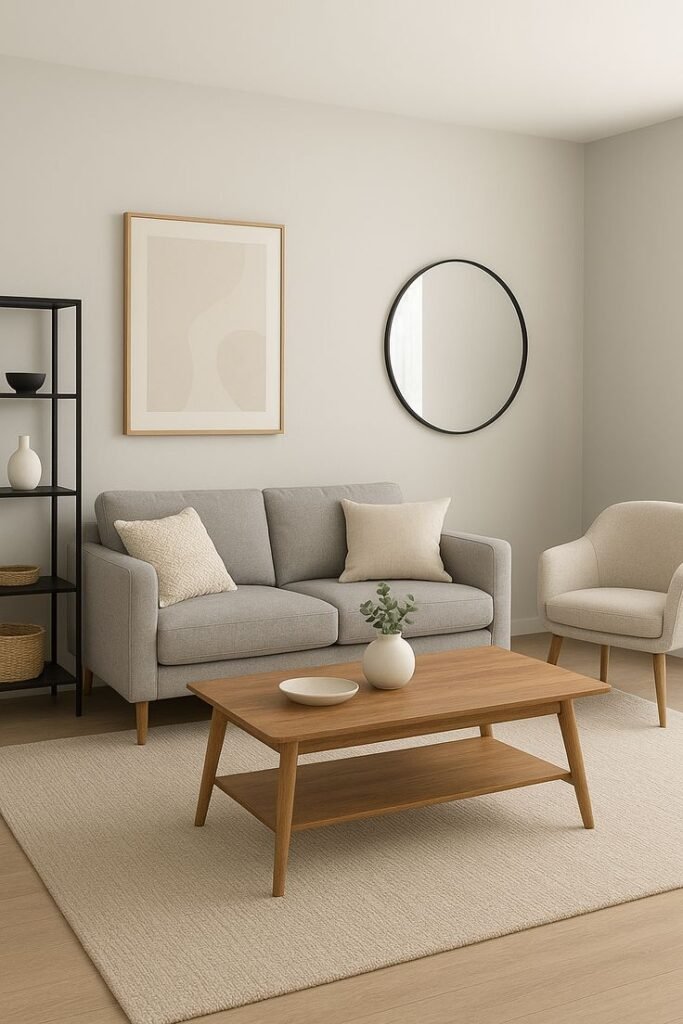
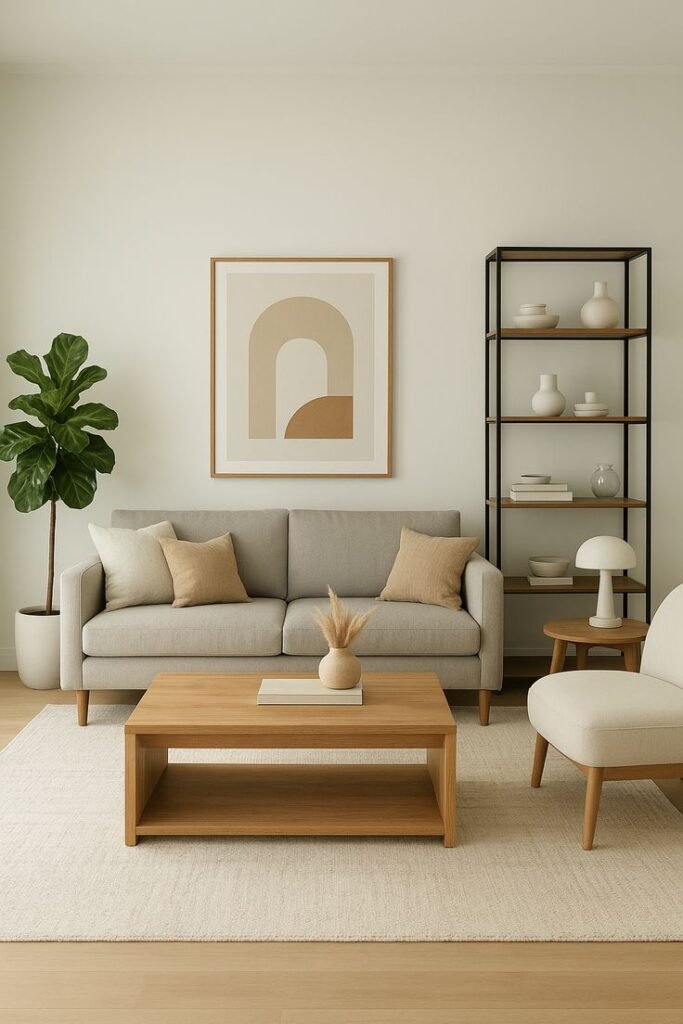
Planning your space before buying anything is one of the most important steps in interior design. When you take time to think about how each room will be used, it becomes much easier to decide what items are actually necessary and what can be avoided. For example, a living room meant for relaxing and hosting guests will need comfortable seating and a functional layout, while a bedroom should focus more on comfort and storage.
By clearly defining the purpose of each space, you can avoid random shopping and impulsive buying, which often leads to clutter and wasted money. A well-thought-out plan not only helps you stay within your budget but also ensures that every piece you choose adds value to your space.
Selecting the Right Color Palette to Build a Clean Interior Look
Color is one of the most powerful tools in interior styling, as it plays a crucial role in shaping the mood, enhancing the overall aesthetic, and defining the personality of a space while making it feel balanced and visually appealing
Using Neutral Base Colors to Create a Calm and Sophisticated Foundation
Neutral colors such as white, beige, and gray are ideal for creating a premium look. They make the space feel open, clean, and easy to style. These colors also allow other elements to stand out without creating visual clutter.
In addition, neutral colors act as a perfect backdrop for other design elements such as furniture, artwork, textures, and decorative accessories. They allow these features to stand out naturally without creating visual clutter or overwhelming the space. This balance makes it easier to experiment with different styles, materials, and accent colors while still maintaining a cohesive and harmonious look. Overall, using neutral tones creates a refined, versatile, and well-organized interior that feels both comfortable and luxurious.
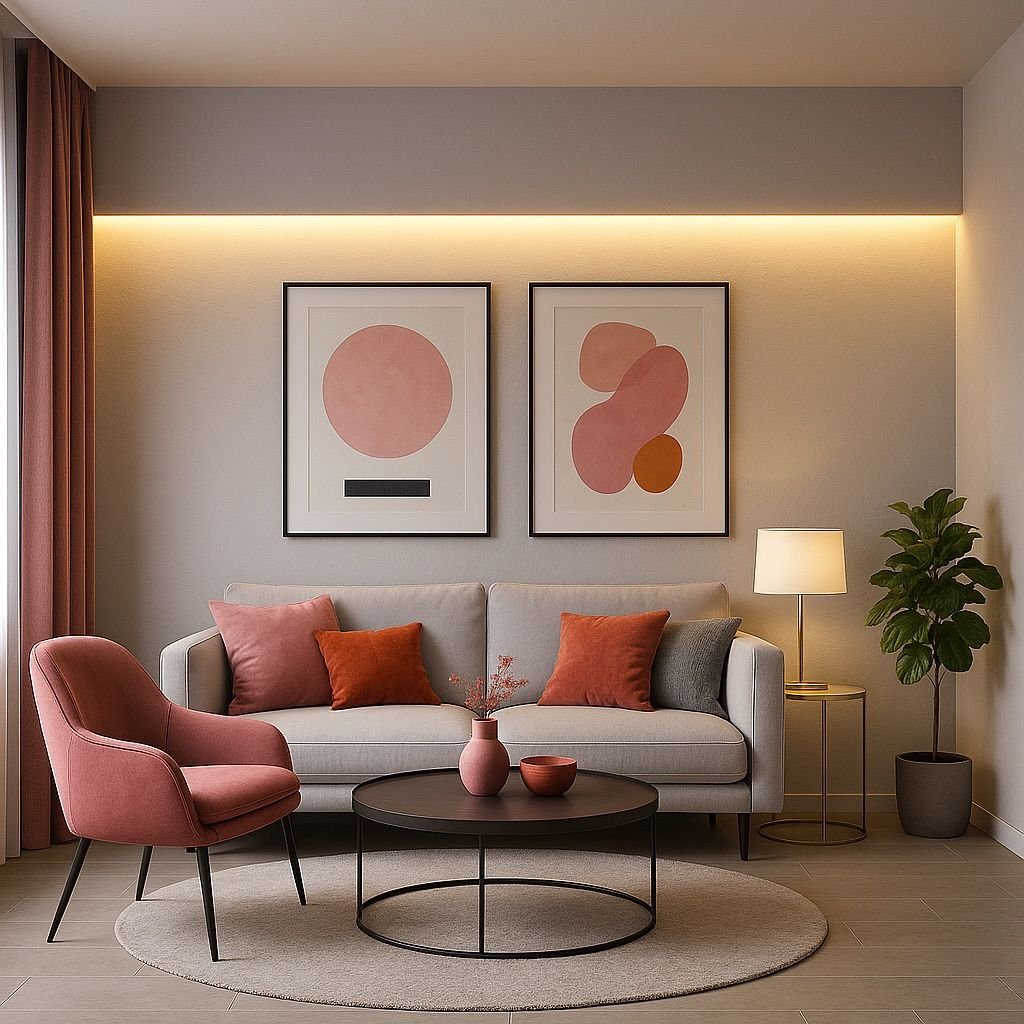
Adding Accent Colors Carefully to Enhance the Overall Visual Appeal
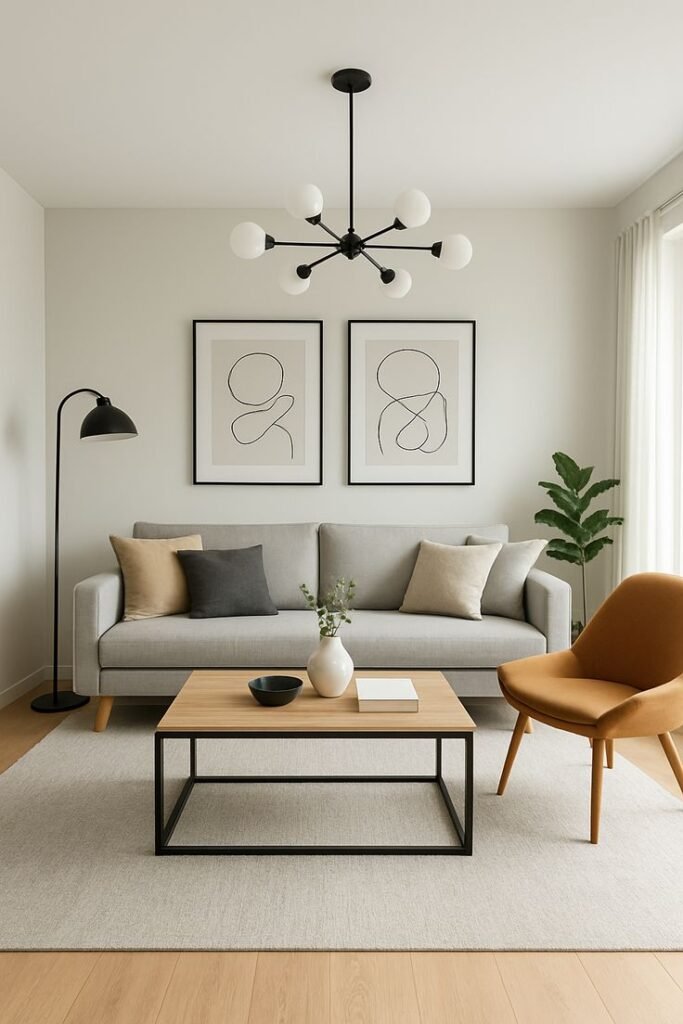
Accent colors should be used thoughtfully and in a controlled way to enhance the overall design without overpowering it. Introducing a single bold or vibrant color can instantly add personality, depth, and visual interest to a space. Whether it’s through cushions, artwork, rugs, or a statement piece of furniture, accent colors help break the monotony of neutral tones and bring life into the room. However, it is important to use them sparingly and strategically, so they complement the base colors rather than compete with them.
A well-placed accent color can guide the eye and highlight key areas of the room, creating a sense of focus and harmony. When used correctly, it adds energy and style without making the space feel busy or chaotic.
Why Focusing on High Quality Furniture
One of the most common mistakes in interior styling is filling a space with too many items in an attempt to make it look complete or luxurious. In reality, overcrowding a room with excessive furniture and décor often leads to visual clutter, making the space feel smaller, disorganized, and overwhelming
Investing in Key Furniture Pieces That Define the Entire Space
Focusing on a few high-quality furniture pieces can completely transform the look and feel of a room. Items such as a well-crafted sofa, a sturdy dining table, or a comfortable and stylish chair can act as the foundation of your interior design. These key pieces naturally draw attention and set the tone for the rest of the space. High-quality furniture not only looks more refined and elegant but also lasts longer, making it a smart long-term investment. It is important to choose pieces that are both functional and visually appealing, ensuring they serve everyday needs while also enhancing the overall aesthetic.
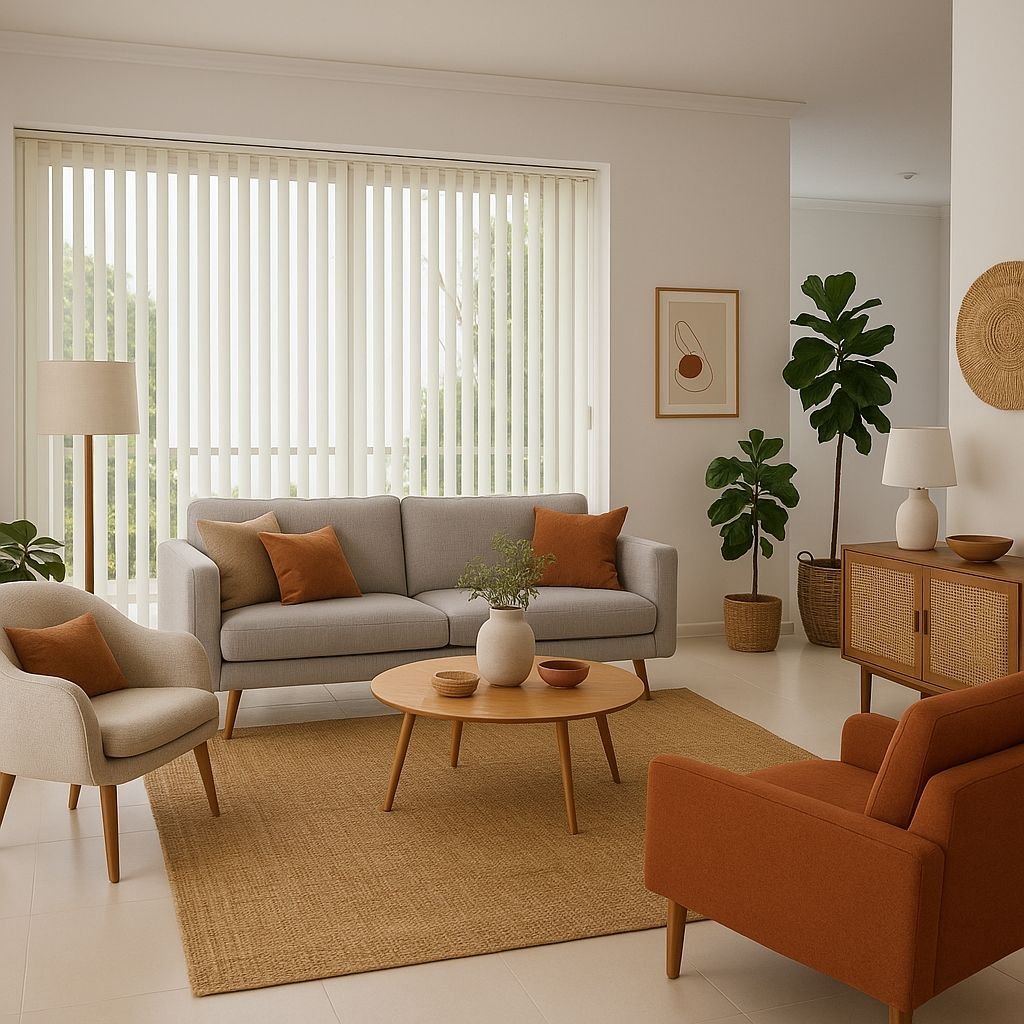
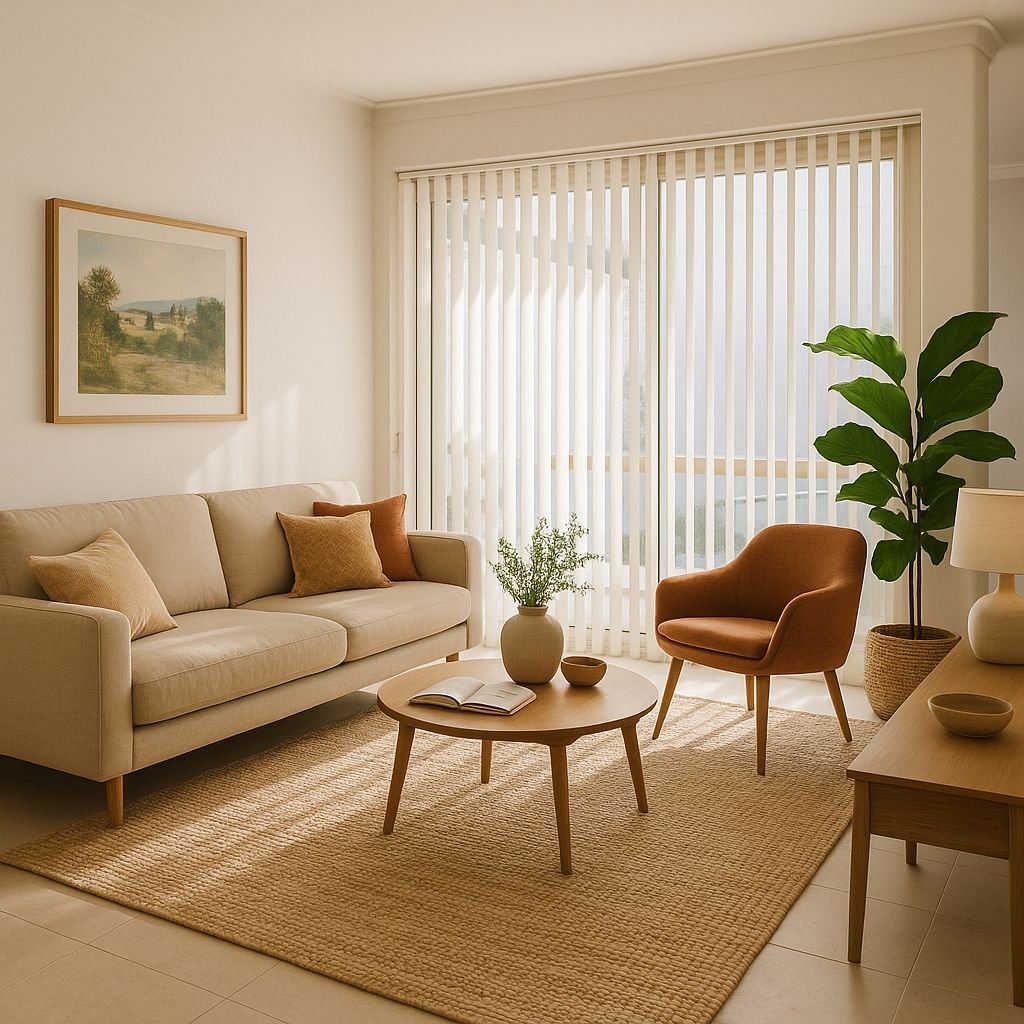
Avoiding Clutter by Limiting Decorative Items and Keeping the Space Open
Another essential aspect of good interior design is knowing when to stop adding more. Too many decorative items—such as excessive accessories, small décor pieces, or unnecessary furniture—can make a space feel crowded and chaotic. By limiting these elements and leaving some areas open, you allow the design to breathe. Empty space, often referred to as “negative space,” plays a crucial role in creating balance and harmony within a room. It helps highlight key features and makes the environment feel more organized, calm, and visually pleasing. A clean, open layout not only improves the overall look but also makes the space more comfortable and functional for everyday living.
The Role of Lighting in Creating a Warm and Premium Interior Atmosphere
Lighting has a major impact on how a space looks and feels, playing a key role in setting the overall mood and atmosphere of a room. Using layered lighting techniques is an effective way to add depth and dimension to your interiors. Instead of relying on a single light source, combining different types of lighting creates a more balanced and dynamic environment.
Avoiding Clutter by Limiting Decorative Items and Keeping the Space Open
Combining different types of lighting creates a more dynamic and visually interesting environment. Instead of relying on a single light source, it is better to use a mix of ceiling lights for overall brightness, lamps for warmth and comfort, and accent lighting to highlight specific areas such as artwork, shelves, or decorative features. This layered approach not only improves functionality but also adds depth and dimension to the room, making the space feel more balanced, stylish, and thoughtfully designed.
Warm lighting makes a space feel cozy, relaxing, and more inviting for everyday living. It enhances the overall look and gives a premium, elegant touch to the interior. Compared to harsh white lighting, it creates a softer and more comfortable atmosphere.
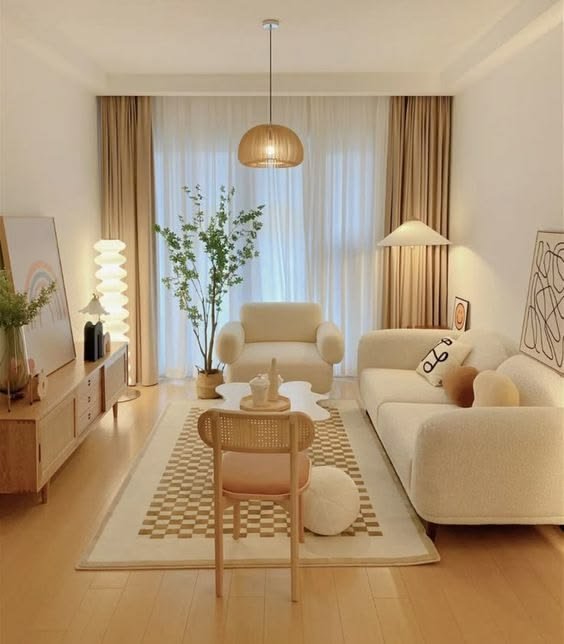
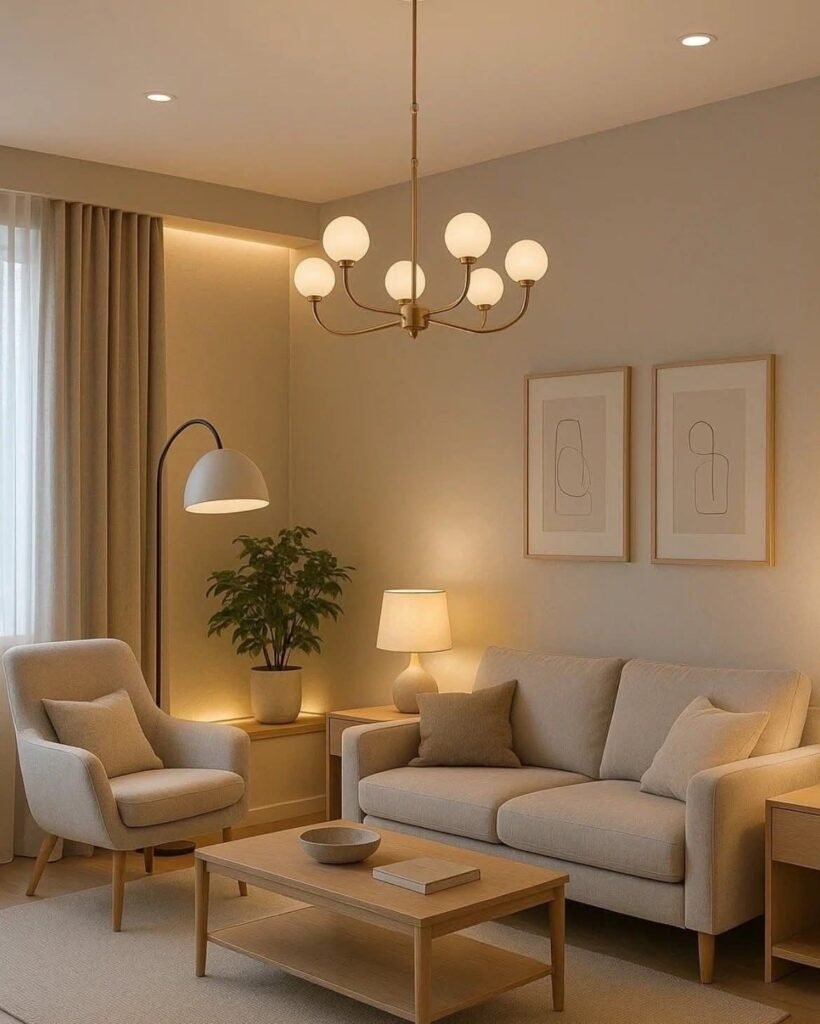
Choosing Warm Lighting for a Cozy and Inviting Space
Warm lighting plays an important role in making a space feel cozy, relaxed, and welcoming. It softens the overall atmosphere and adds a sense of comfort that is ideal for living spaces and bedrooms. Compared to harsh white lighting, warm tones create a more pleasant and premium look, helping the home feel more inviting and elegant. By selecting the right lighting temperature and placement, you can enhance both the mood and overall aesthetic of your interior.
Compared to harsh white lighting, warm tones give a more pleasant and premium look. They make the home feel inviting and add a touch of elegance to the interior. By choosing the right lighting, you can improve both mood and overall design.
Adding Texture and Materials to Create Depth and Visual Interest in Interior Design
A room without texture often feels flat, lifeless, and incomplete because it lacks visual interest and depth. Texture adds character to a space by introducing different materials, patterns, and finishes that make the design more engaging. It helps break the monotony of plain surfaces and brings warmth and personality into the interior.
Simple Ways to Introduce Texture Through Soft Furnishings and Decor Elements
Texture can be easily introduced into a space through soft furnishings and simple decor elements. Items like cushions, rugs, curtains, and throws add layers of softness and visual interest to a room. These small details help break the flatness of plain surfaces and make the overall design feel more complete and thoughtfully styled.
Even minor additions can make a noticeable difference in how a space looks and feels. Soft fabrics not only enhance the aesthetic appeal but also add comfort and warmth to the interior. By carefully choosing different materials, patterns, and finishes, you can create a cozy and inviting atmosphere that feels balanced and well-designed.
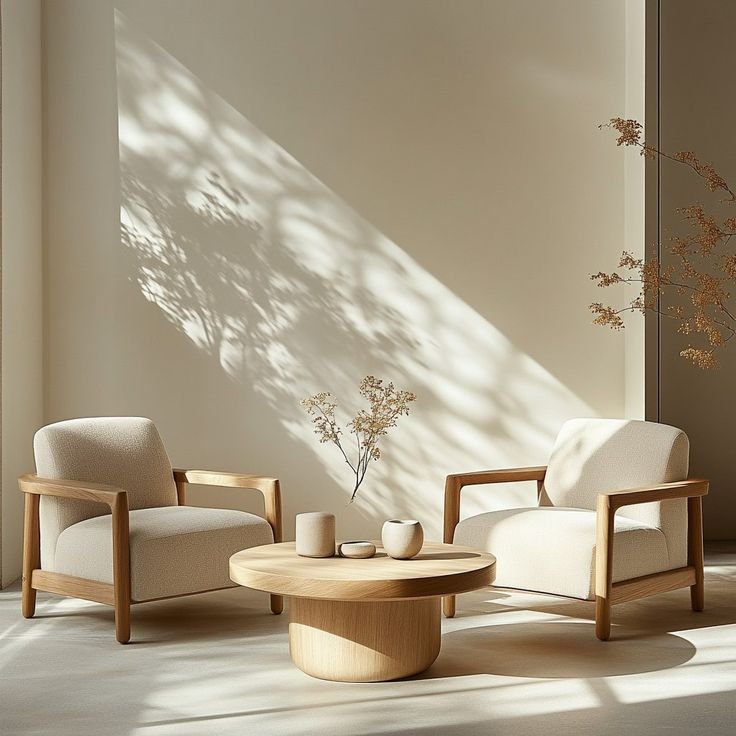
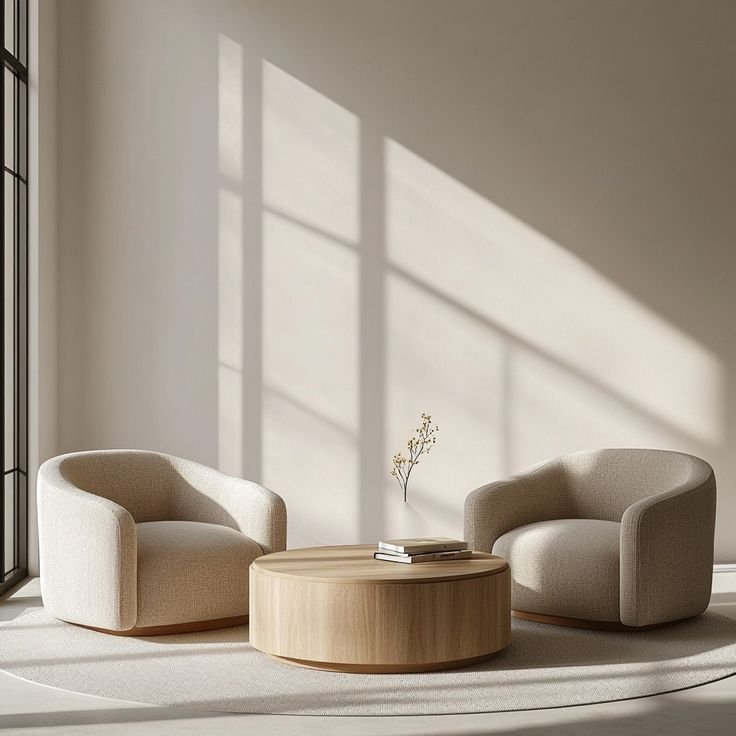
Mixing Different Materials Like Wood, Fabric, and Metal for a Balanced Look
Mixing different materials is an effective way to create visual interest and depth in interior design. Each material brings its own unique quality to a space, making the overall look more dynamic and stylish. Instead of using a single type of finish throughout, combining elements helps achieve a more layered and well-designed appearance.
For example, wood adds warmth and a natural feel to the space, while metal introduces contrast and a modern touch. Fabric, on the other hand, brings softness and comfort, balancing the harder surfaces. When used together thoughtfully, these materials create a harmonious and rich interior that feels both elegant and well-balanced.
Maintaining Proper Balance and Layout for a Clean and Visually Stable Interior Space
Balance is essential for creating a pleasing and well-organized environment. It ensures that no part of the room feels too heavy, empty, or overwhelming, helping every element work together in harmony. A balanced space feels naturally comfortable and visually stable, making it more enjoyable to live in.
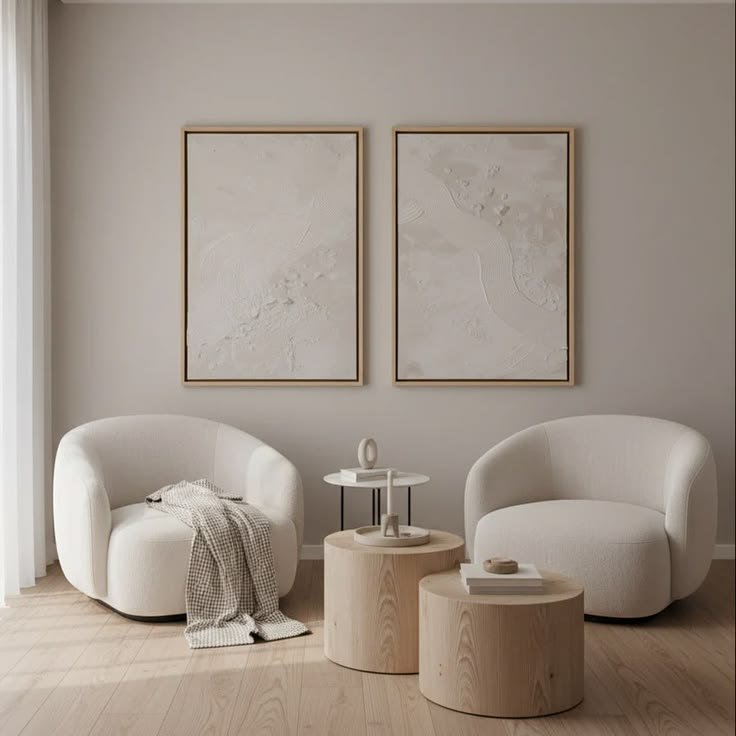
Mixing Different Materials Like Wood, Fabric, and Metal for a Balanced Look
Distributing visual weight evenly across a room is essential for creating a balanced and harmonious interior. It ensures that no single area feels too heavy, empty, or visually overpowering. When furniture and decor are arranged thoughtfully, the space feels more stable and well-proportioned.
If one side of a room contains large or bulky items, the other side should be balanced with smaller elements or lighter visual features. This creates a sense of equilibrium and prevents the design from feeling uneven or lopsided. As a result, the room appears more organized, comfortable, and visually pleasing.
Using Symmetry and Alignment to Improve Overall Layout and Organization
Using symmetry and proper alignment is an effective way to create a clean and well-structured interior layout. Symmetry brings a sense of order by placing similar or matching elements on both sides of a space. This makes the room feel balanced, calm, and visually pleasing.
When furniture and decor are aligned correctly, it improves the overall flow and organization of the room. Proper alignment helps guide the eye smoothly across the space and makes movement easier. As a result, the interior looks more professional, coordinated, and thoughtfully designed.
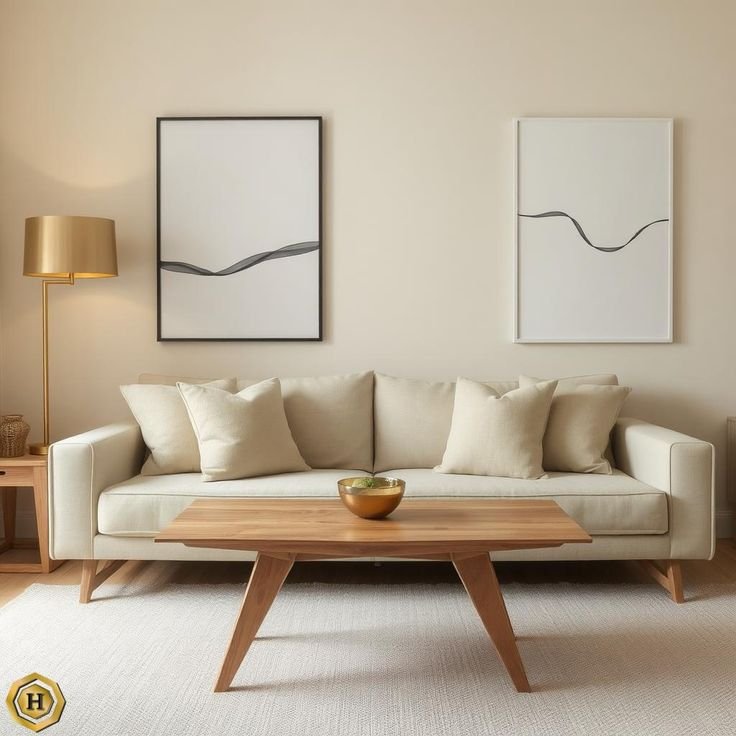
Using Statement Pieces Strategically to Enhance the Overall Interior Styling Impact
Statement pieces play an important role in interior design as they add personality, character, and a strong focal point to a room. These are standout elements such as bold furniture, unique lighting, or eye-catching decor that instantly draw attention. They help define the style of the space and make it feel more expressive and memorable.
Choosing One or Two Key Elements That Act as Focal Points in the Space
Choosing one or two key elements as focal points helps create a clear and well-organized interior design. Instead of overwhelming the space with multiple attention-grabbing items, focusing on a few standout pieces brings clarity and direction to the room. These focal points can be anything like a stylish sofa, an artwork, or a unique lighting feature.
When the space has defined focal elements, it naturally guides the eye and creates visual interest without clutter. This approach helps maintain balance while still adding character and style to the interior. As a result, the room feels more structured, elegant, and thoughtfully designed.
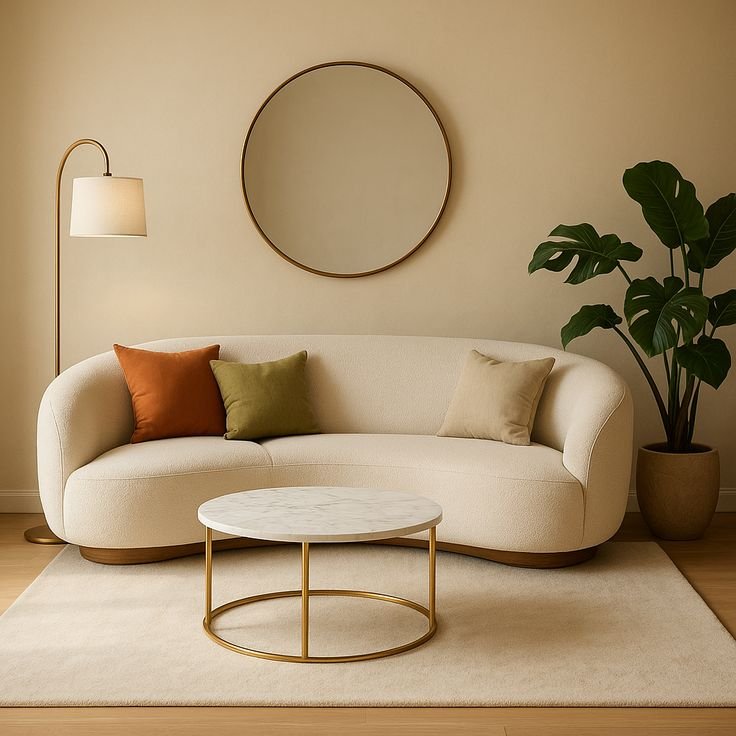
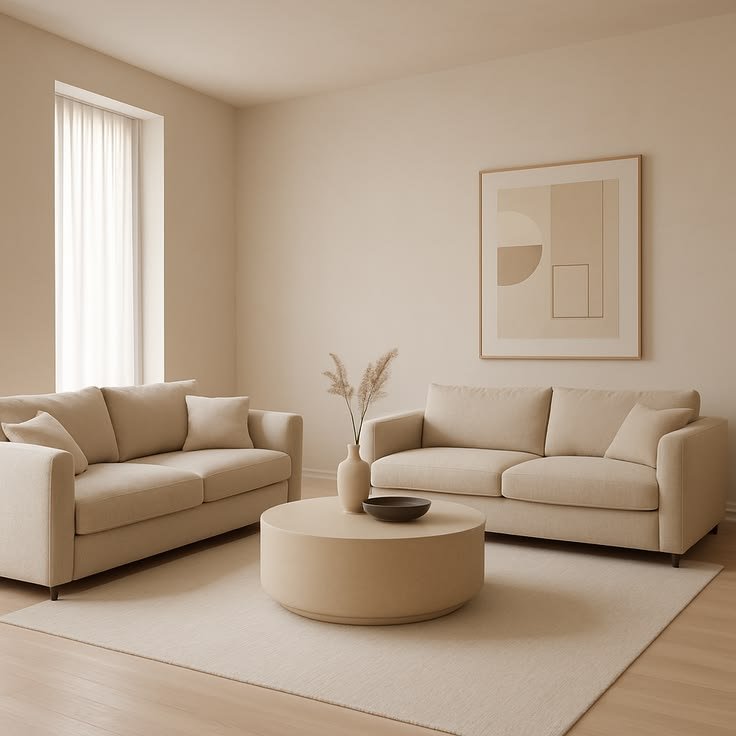
Choosing One or Two Key Elements That Act as Focal Points in the Space
Avoiding the overuse of bold items is important to maintain balance and harmony in interior design. While bold furniture or decor can add character and style, using too many strong elements in one space can make the room feel chaotic and visually overwhelming. A well-designed interior should have a clear focus, not multiple competing attention points.
When bold pieces are used in moderation, they stand out more effectively and enhance the overall design. Limiting strong colors, patterns, or statement items allows the space to feel more calm, coordinated, and visually balanced. This creates a smoother flow throughout the room and ensures the design remains elegant and comfortable.
Final Thoughts
A well-planned interior also ensures that every element in the space works together in harmony. From layout to decor, each detail should contribute to both functionality and style. When unnecessary items are removed and only meaningful pieces are included, the home naturally feels more open, organized, and refined.
Ultimately, premium interior styling is about creating a lifestyle, not just a look. It reflects personality while maintaining simplicity and balance throughout the space. By making intentional choices, you can achieve a timeless design that remains elegant, practical, and comfortable for years to come.
FAQs Luxury Home Interior Design
What is premium home interior styling?
Premium home interior styling means designing a home in a simple, elegant, and high-quality way. It focuses on balance, comfort, and smart design choices instead of over-decorating the space.
What makes a home interior look premium?
A home looks premium when it has clean layouts, balanced colors, good lighting, and quality furniture. Less clutter and more thoughtful design choices also improve the overall look.
Do I need expensive items for a premium interior?
No, a premium look is not always about expensive items. It is more about smart selection, proper placement, and choosing fewer but better-quality pieces.
Why is minimal design important in premium styling?
Minimal design helps reduce clutter and makes the space feel open and organized. It allows important furniture and decor to stand out more clearly.
How does lighting affect premium interior design?
Lighting plays a very important role. Warm and layered lighting improves mood, highlights design elements, and makes the home feel more comfortable and elegant.