
Luxury Home Interior Design Complete Style Guide
Simple Bedroom Decorating Ideas for a Stylish and Comfortable Space
Luxury home interior design is more than expensive furniture or shiny décor. It is about creating a refined living environment where comfort, beauty, and functionality come together naturally. When done right, a luxury interior feels effortless — like every detail belongs exactly where it is.
A professionally designed luxury home blends high-end materials, thoughtful space planning, elegant color palettes, and timeless design principles. The goal is not to fill a home with things, but to craft a living experience that reflects sophistication and personality.
In this guide, we will explore how luxury home interior design works, the key design elements professionals focus on, and how you can create a home that truly feels premium and elegant.
What Defines Luxury Home Interior Design
Luxury interior design is often misunderstood. Many people think it simply means buying expensive furniture or decorative items. In reality, true luxury interior design focuses on quality, harmony, and attention to detail. Professional designers start by studying how people live in a space. They consider natural light, room layout, furniture placement, and movement flow. Once the structure is clear, they add layers of design elements that bring warmth and personality.
For example, imagine entering a living room where soft lighting, natural textures, balanced colors, and comfortable seating create an inviting atmosphere. Nothing feels overcrowded or out of place. That feeling of calm elegance is what defines luxury design. Luxury interiors also emphasize premium craftsmanship. Custom furniture, handcrafted décor pieces, and high-quality materials are often used to ensure durability and exclusivity.
Simply put, luxury design is not about showing wealth — it is about creating a timeless environment that feels refined and comfortable every day.
Key Elements of Luxury Interior Design
Professional interior designers rely on several essential elements to create luxurious spaces. These elements work together to build depth, balance, and elegance.
1. High-Quality Materials
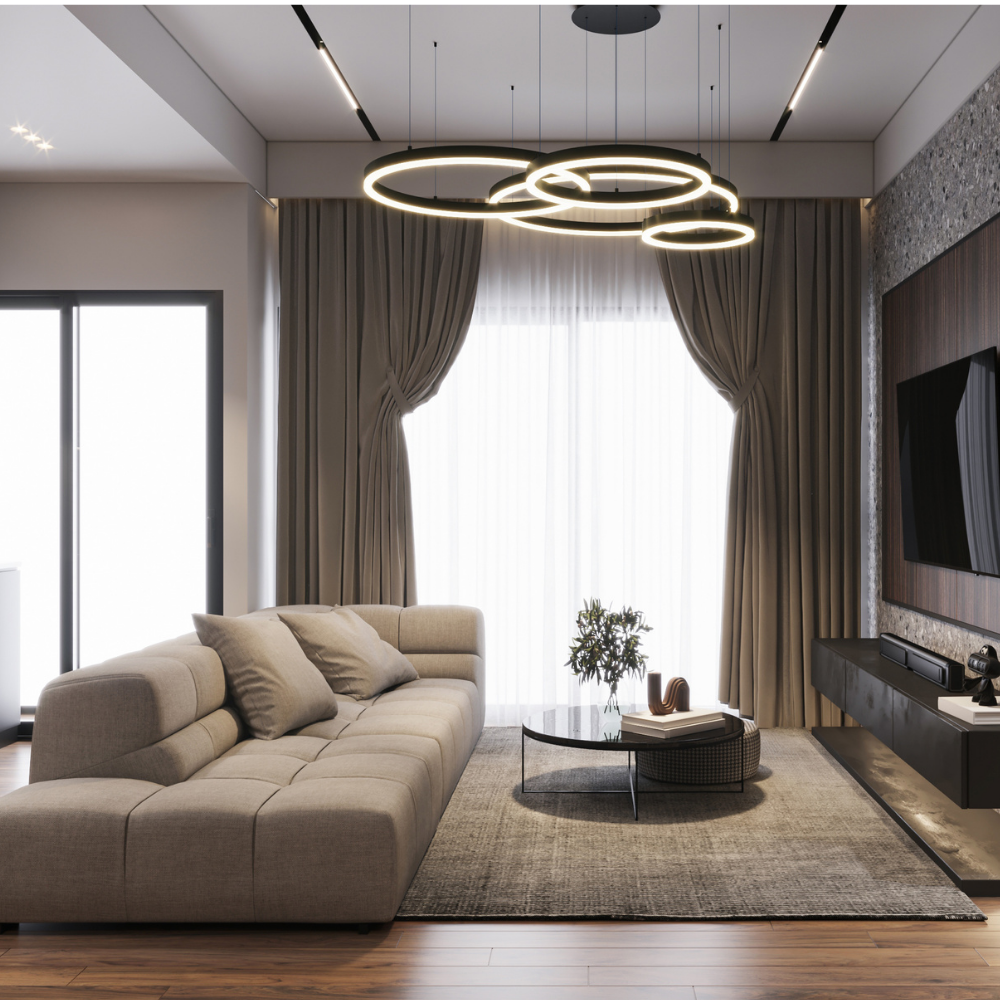
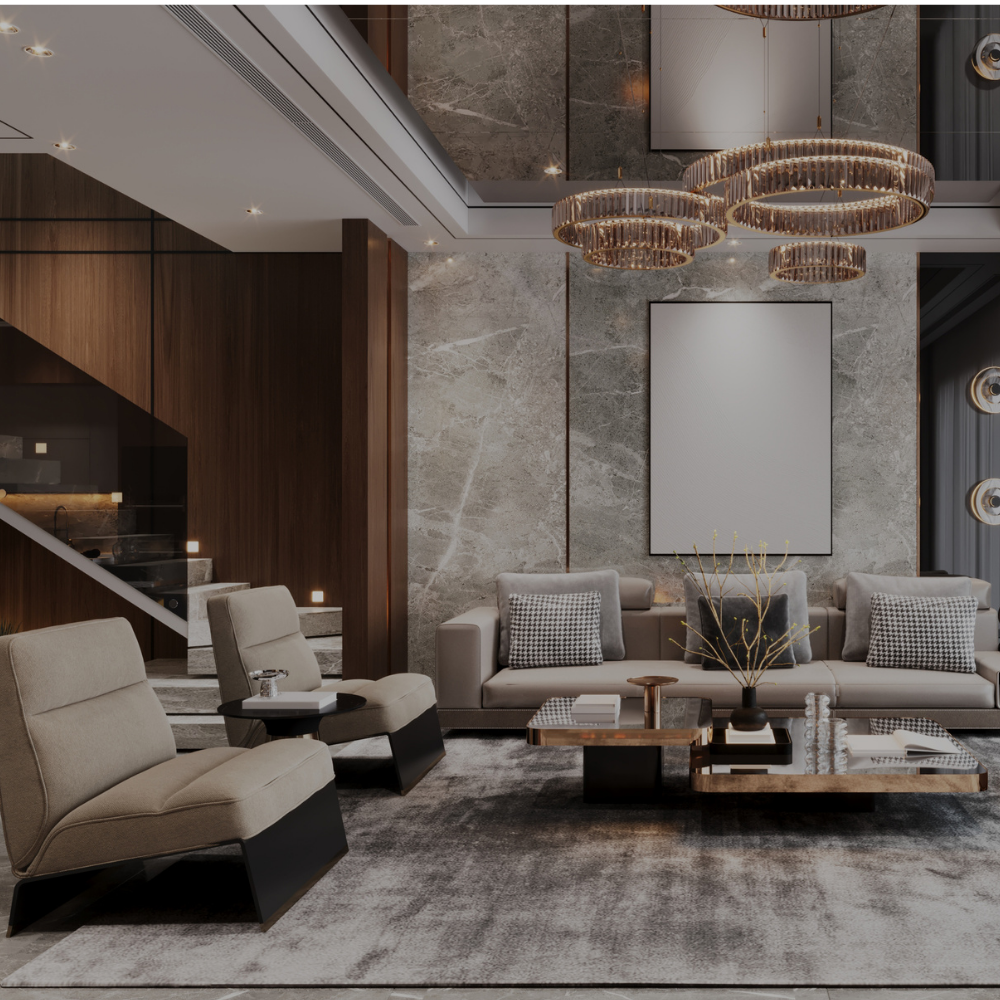
Luxury interiors almost always use premium materials. Natural stone, marble, hardwood flooring, glass accents, and metal finishes help create a sophisticated look. Materials like velvet, silk, linen, leather, and cashmere also play a major role in adding softness and comfort to the space.
Designer Insight:
Texture works best through contrast. A marble surface next to a cashmere throw creates more interest than an all-velvet room ever could.
This contrast makes a room visually rich without making it feel heavy
2. Thoughtful Space Planning
Luxury interior design always begins with space planning. Designers analyze how people move through the home and organize furniture accordingly.
For example:
- Living areas should feel open and welcoming.
- Dining spaces should encourage conversation.
- Bedrooms should feel calm and relaxing.
Good space planning ensures that every piece of furniture has purpose and balance.
3. Elegant Color Palettes
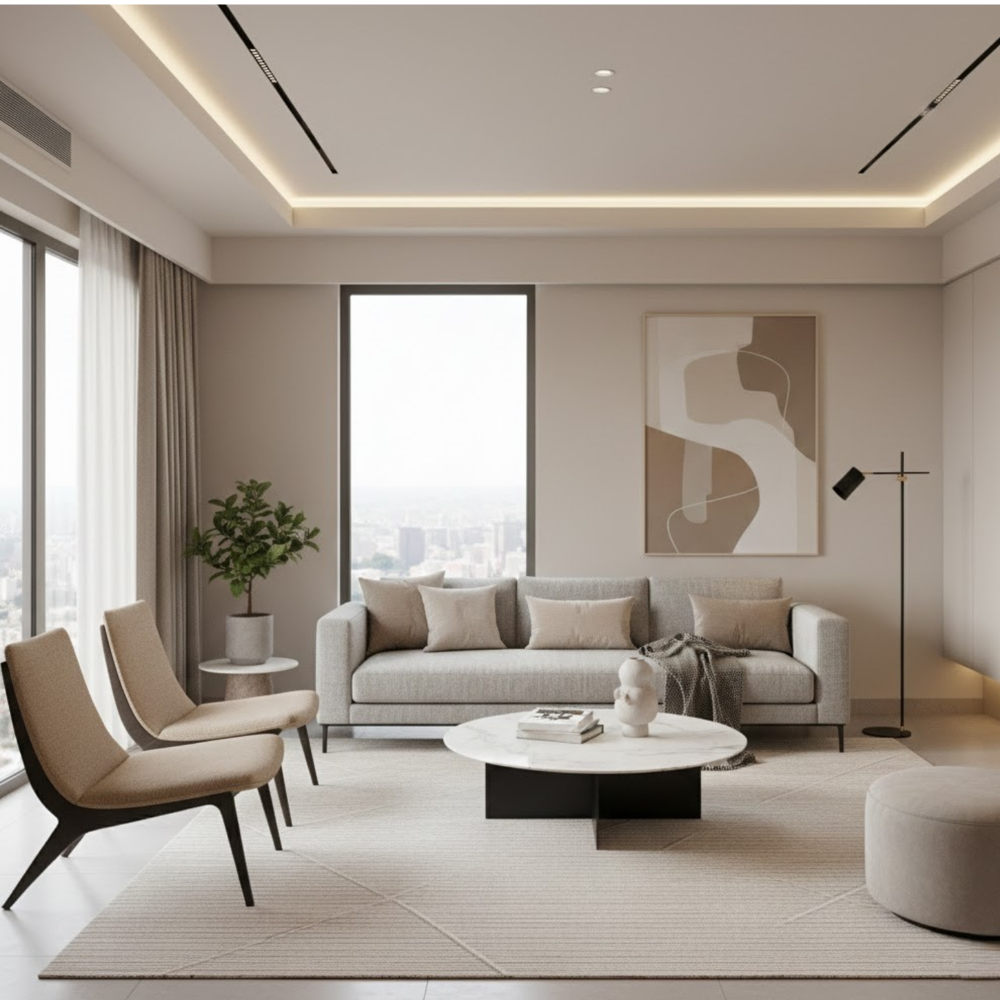
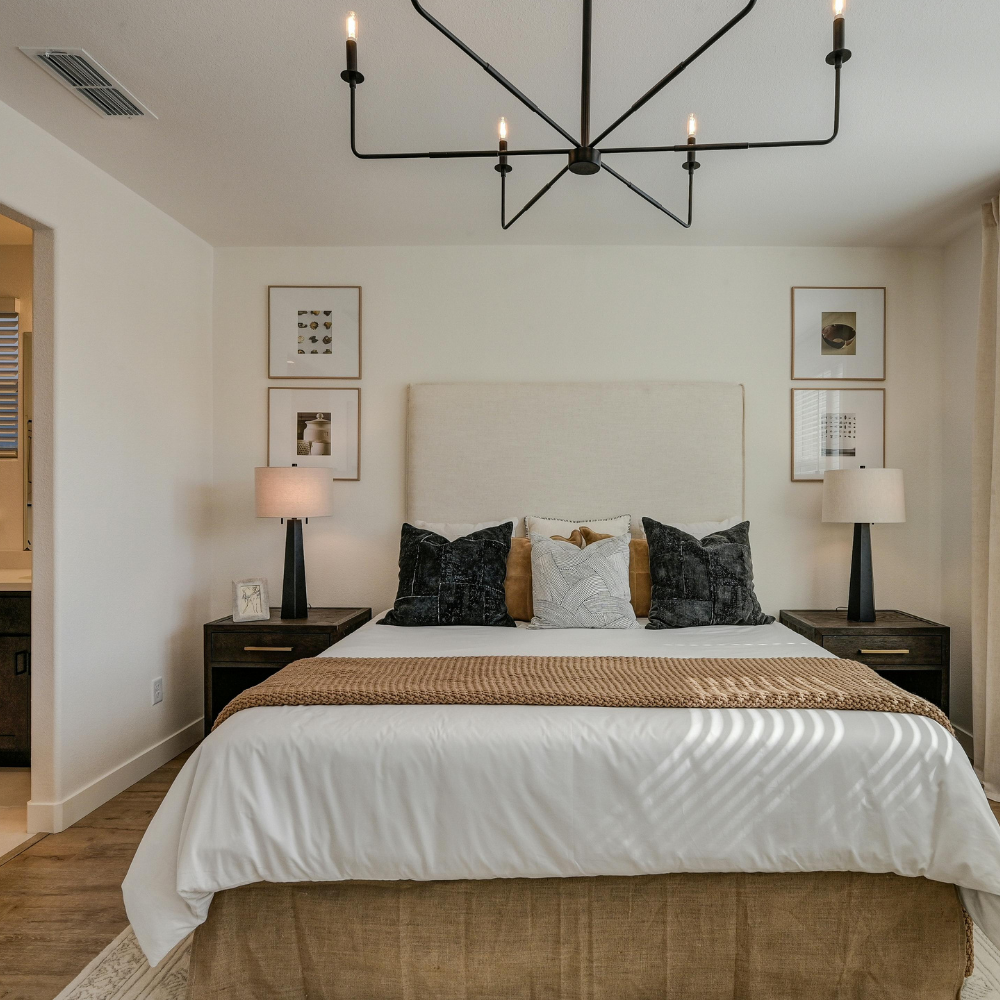
Luxury homes often use neutral color palettes such as cream, beige, soft grey, taupe, and warm white. These colors create a calm base that allows textures and materials to stand out. Designers then add depth through accent colors like deep blue, emerald green, gold, or charcoal.
The key is subtlety. Instead of loud colors, luxury interiors focus on soft contrast and harmony.
Designer Insight:Professional interior designers often follow the 60-30-10 rule in luxury interiors. Around 60% of the room uses a dominant neutral color, 30% is a secondary supporting shade, and 10% comes from accent colors or decorative elements. This balance keeps the room visually interesting without making it feel chaotic.
4. Layered Lighting Design
Lighting plays a powerful role in luxury home interior design. Professional designers typically combine three types of lighting:
- Ambient lighting – overall room illumination
- Task lighting – focused lighting for reading or work
- Accent lighting – highlighting artwork or décor
Statement chandeliers, designer pendant lights, and recessed lighting help create a warm and sophisticated atmosphere.
Designer Insight:
Experienced interior designers often say that lighting is the jewelry of a room. Even the most beautifully designed space can feel flat without the right lighting layers. By combining ambient, task, and accent lighting, designers create depth, warmth, and visual interest that instantly elevates the room.
5. Custom Furniture and Decor
Luxury homes often feature custom-designed furniture. This ensures that pieces fit perfectly with the room layout and reflect the homeowner’s style.
Examples include:
- Bespoke sofas
- Handcrafted dining tables
- Designer wall panels
- Built-in storage units
Custom elements make a space feel unique rather than mass-produced.
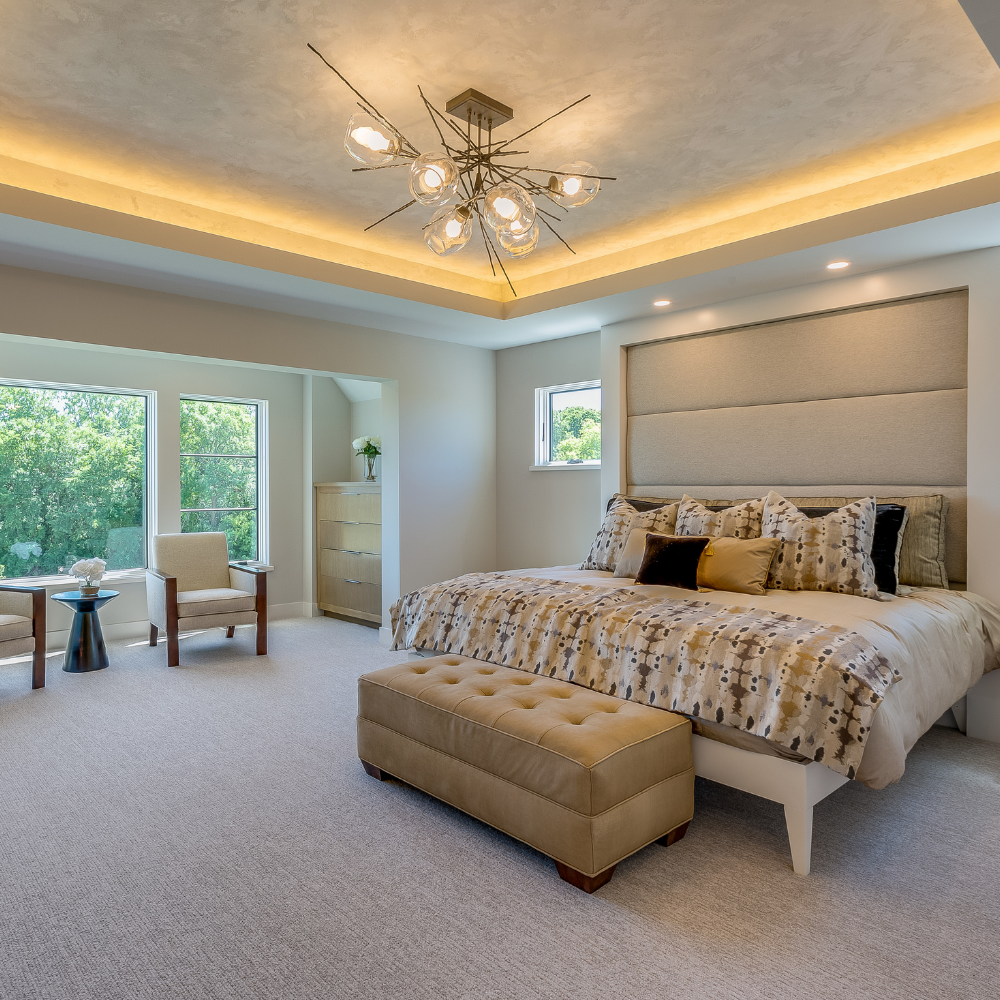
Luxury Living Room Interior Design Ideas
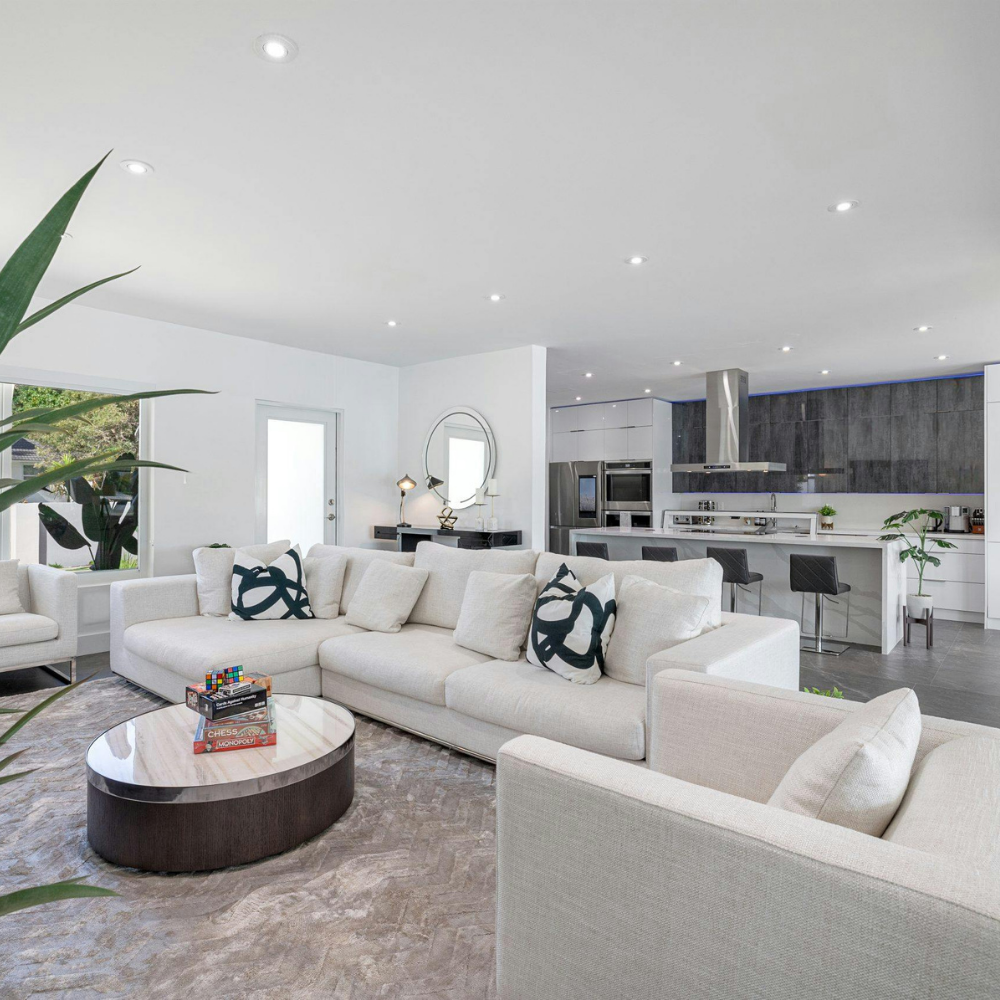
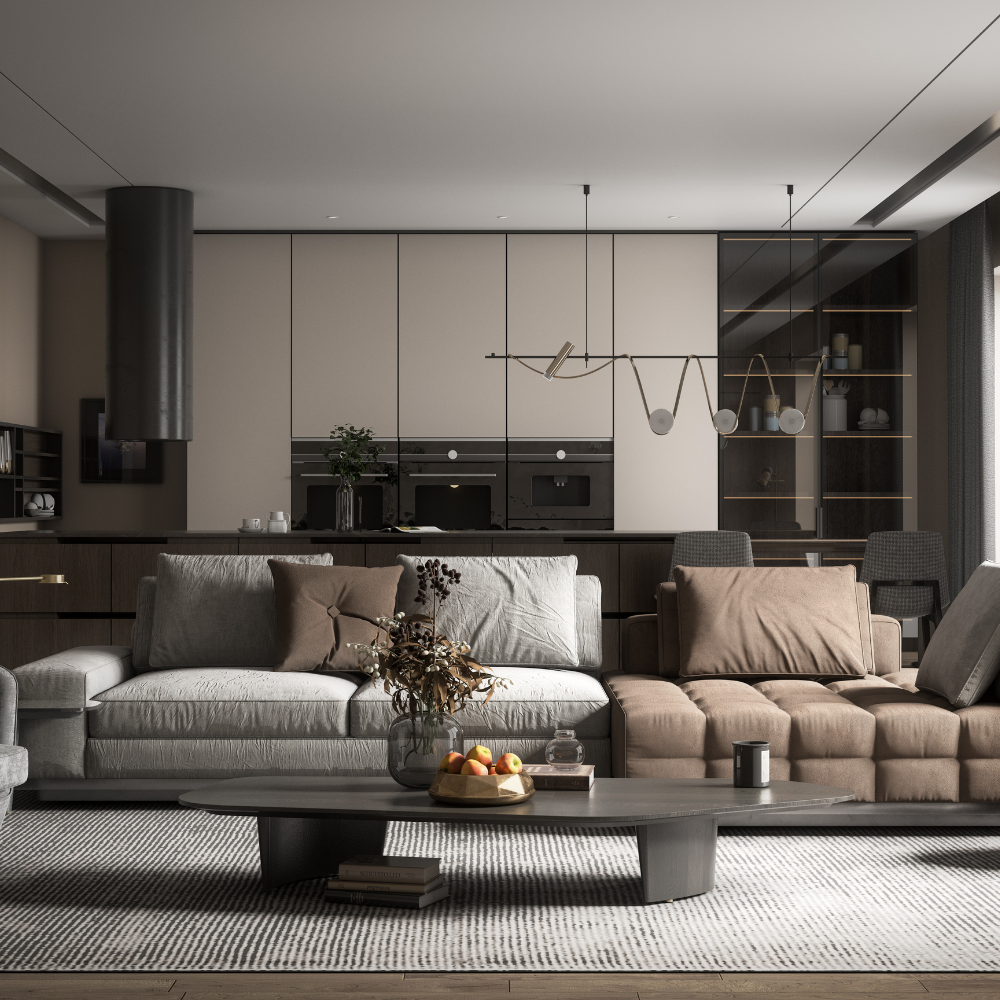
The living room is usually the heart of a luxury home. It is where families relax and guests gather, so the design must feel welcoming yet refined.
A well-designed luxury living room often includes:
- A statement sofa or sectional
- Elegant coffee tables
- Designer rugs
- Artistic wall décor
- Soft layered lighting
Instead of overcrowding the space, designers focus on a few strong focal points. For example, a marble coffee table paired with a velvet sofa and a textured rug can instantly elevate the room’s atmosphere.
Luxury Bedroom Interior Design Tips
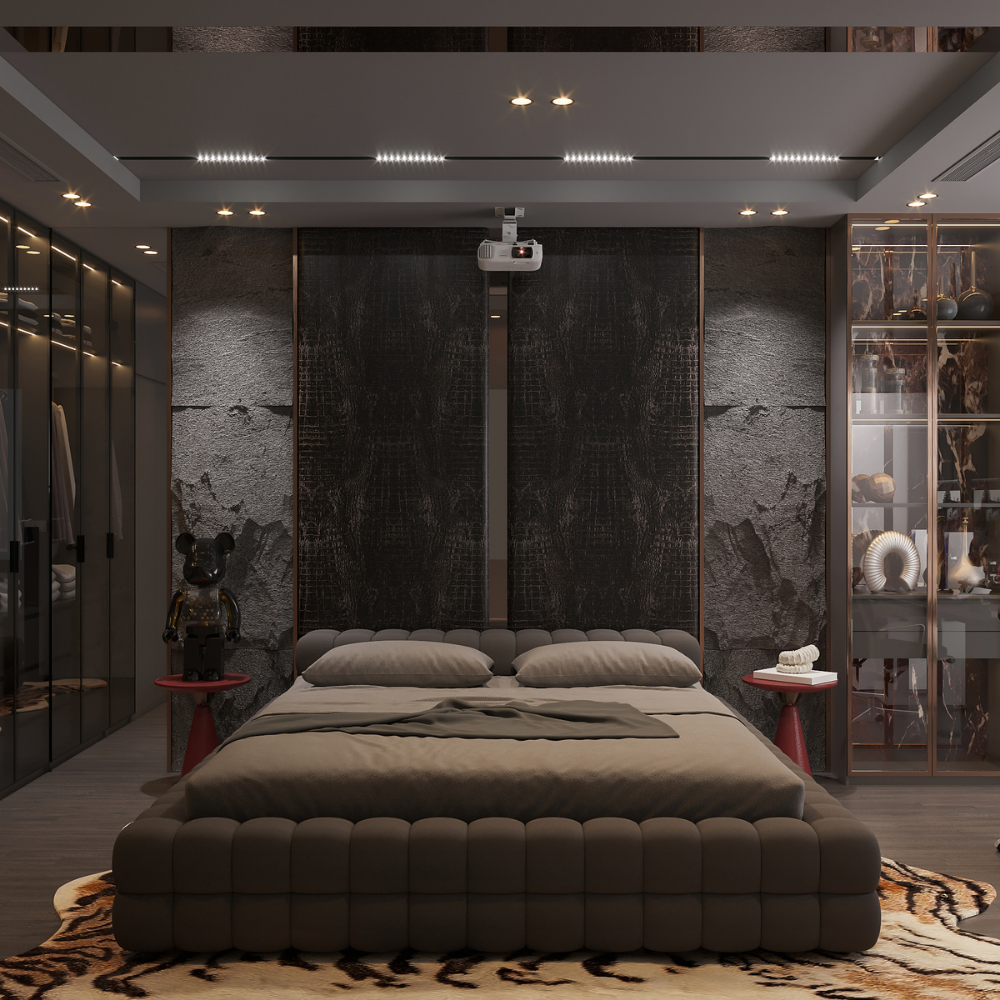
A luxury bedroom should feel like a private retreat. Comfort is the main priority here.
Professional designers recommend:
- Using soft neutral colors
- Investing in premium bedding
- Adding ambient lighting
- Keeping décor minimal and calming
Large upholstered beds, layered bedding, and plush carpets help create a relaxing environment. Think of the bedroom as a hotel-like sanctuary inside your home.
Modern Luxury Interior Design Trends
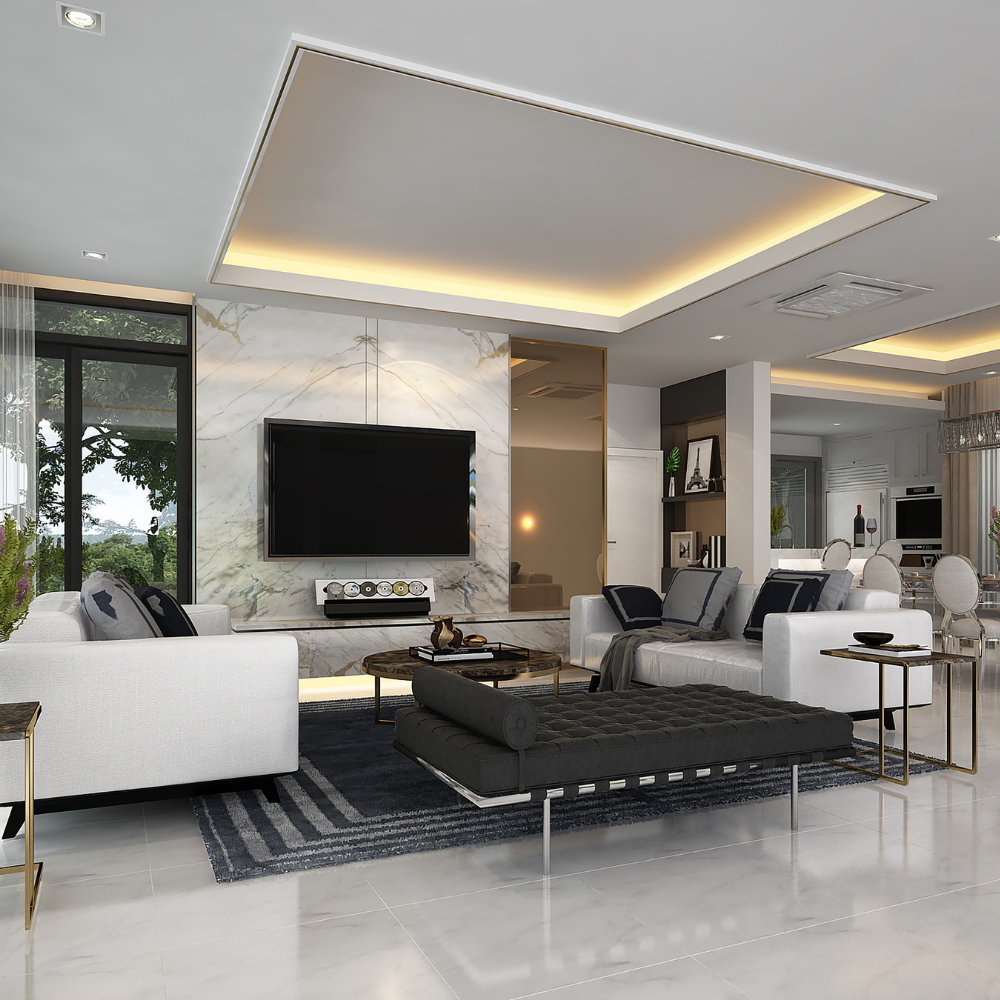
Luxury interior design continues to evolve as new styles and technologies emerge. Some of the most popular trends today include:
Smart Home Integration
Luxury homes increasingly include smart lighting, automated curtains, climate control, and voice-activated systems. Technology makes the home more convenient while maintaining a clean design.
Minimal Luxury
Many homeowners now prefer minimalist luxury interiors. Instead of heavy decoration, designers focus on clean lines, open spaces, and fewer but higher-quality items. This approach creates a calm and modern environment.
Natural Materials and Sustainability
Sustainability is becoming an important part of luxury design. Designers are using eco-friendly materials, natural wood, recycled stone, and energy-efficient lighting. Luxury today means not only beauty but also responsible design choices.
Why Hiring a Luxury Interior Designer Matters
Designing a luxury home requires more than good taste. Professional interior designers bring technical knowledge, creative vision, and industry experience.
An experienced designer helps with:
- Space planning
- Furniture selection
- Color coordination
- Lighting design
- Material sourcing
They also ensure that the final result feels cohesive rather than random. Think of a designer as a conductor of an orchestra. Every design element — furniture, lighting, textures, and colors — must play together in harmony.
Final Thoughts
Luxury home interior design is about creating a living environment that feels refined, comfortable, and timeless. It combines thoughtful planning, high-quality materials, elegant lighting, and carefully chosen décor. Whether you are designing a new home or upgrading your current space, the key is balance. Luxury does not come from adding more items but from choosing the right elements and placing them with purpose.
When every detail works together, a home transforms into something truly special — a place that reflects elegance, comfort, and personal style.
FAQs Luxury Home Interior Design
Luxury home interior design focuses on creating elegant and comfortable living spaces using high-quality materials, custom furniture, refined color palettes, and thoughtful space planning.
Neutral colors such as beige, cream, grey, and white are commonly used. Designers often add accent colors like navy blue, emerald green, or gold for depth.
Luxury interiors often include marble, natural stone, hardwood flooring, velvet fabrics, silk textiles, and high-quality metal finishes.
Focus on lighting, decluttering, neutral color palettes, and a few high-quality décor pieces instead of many cheap items.
Professional designers bring expertise in layout planning, color coordination, and material selection, ensuring the home looks balanced and sophisticated.